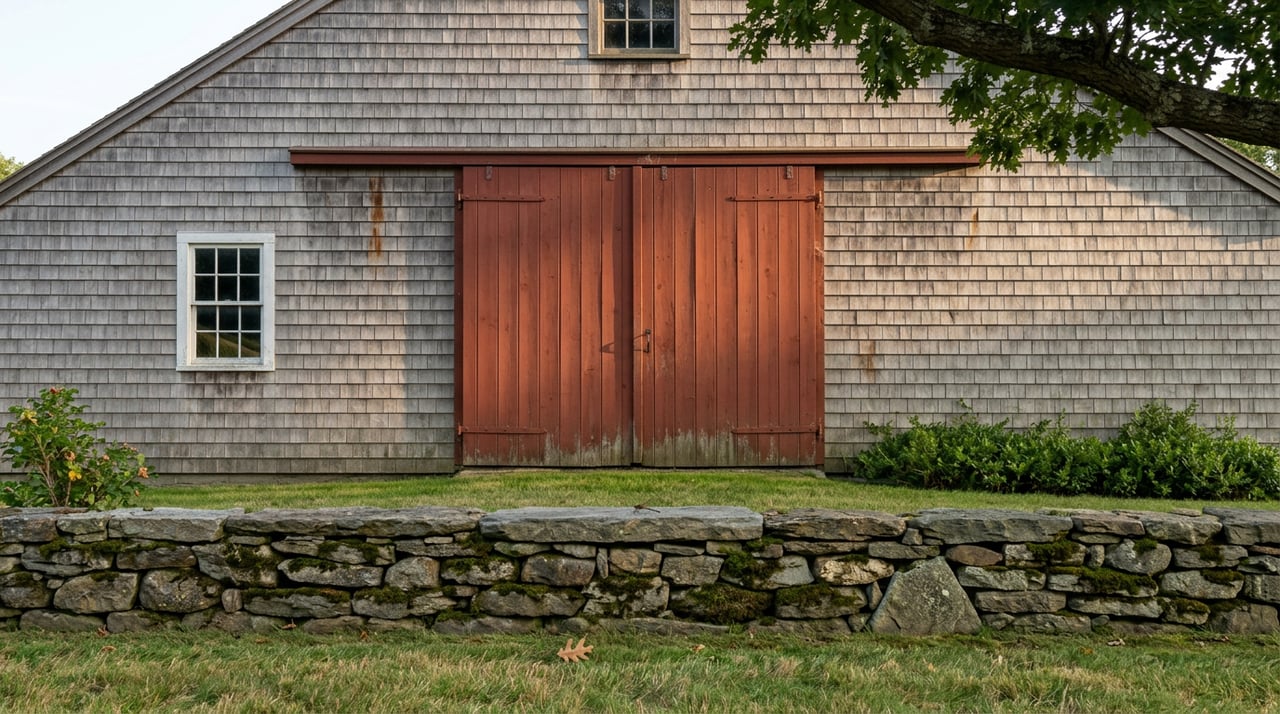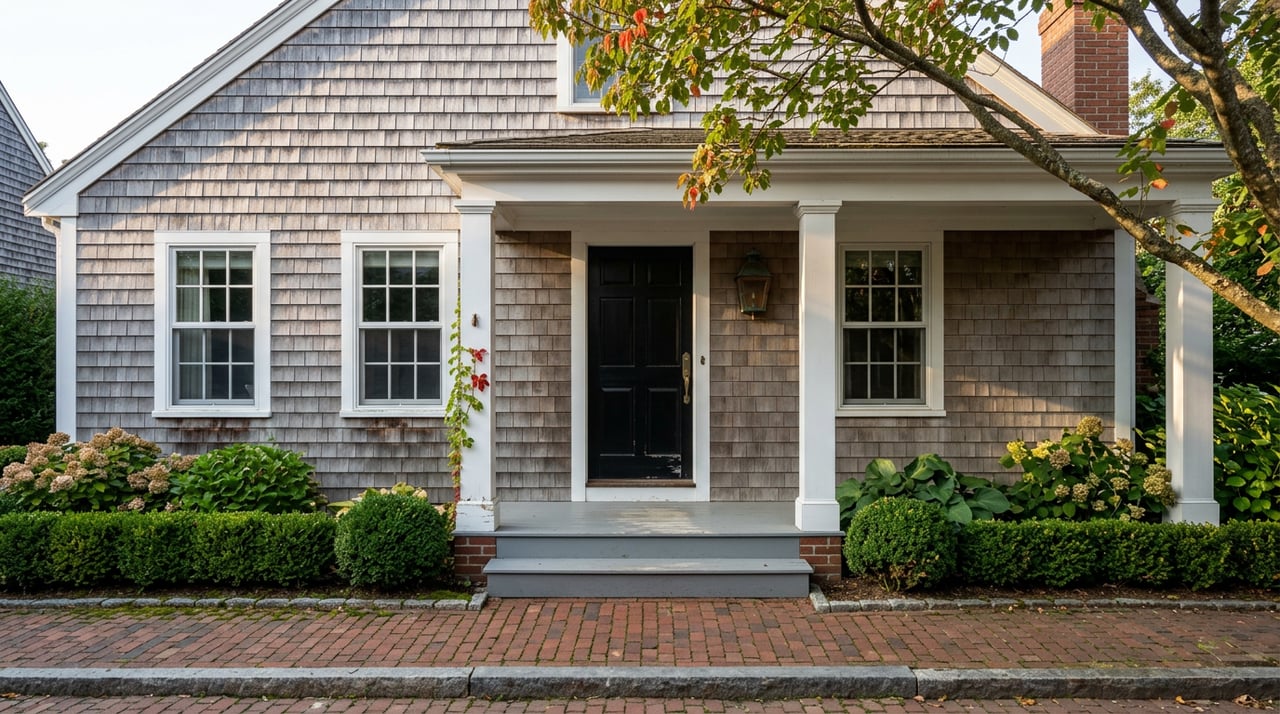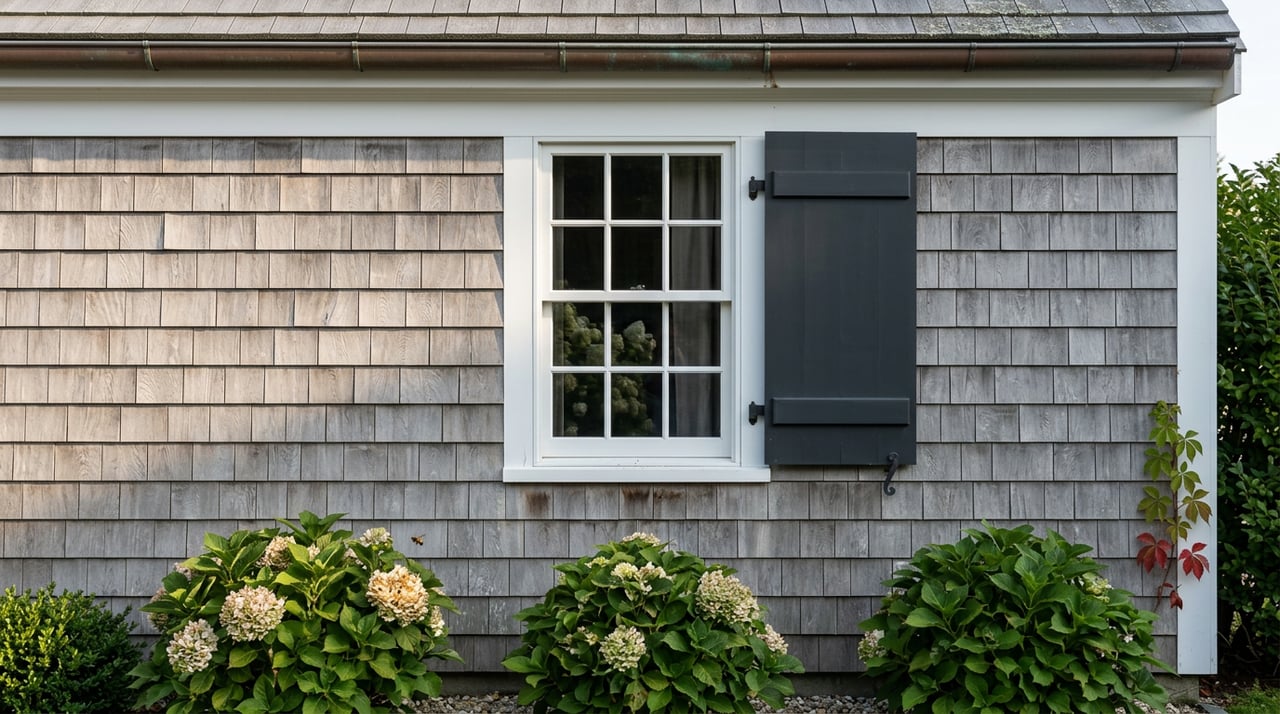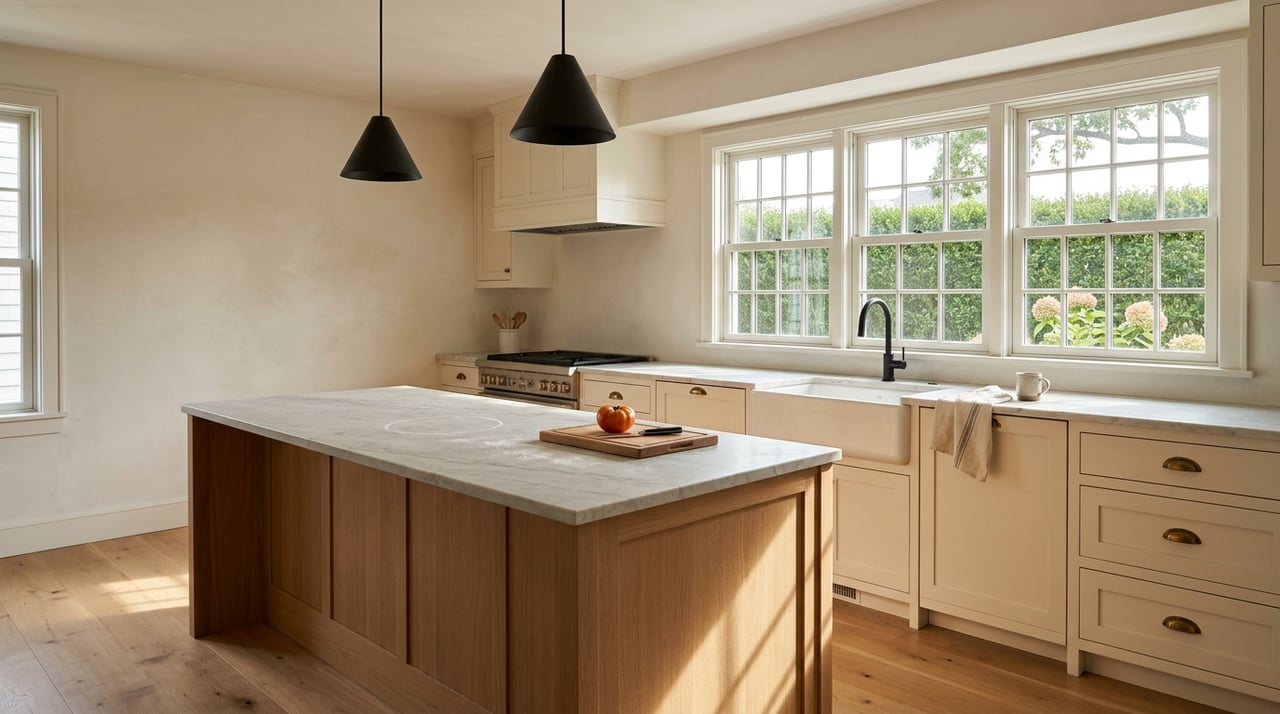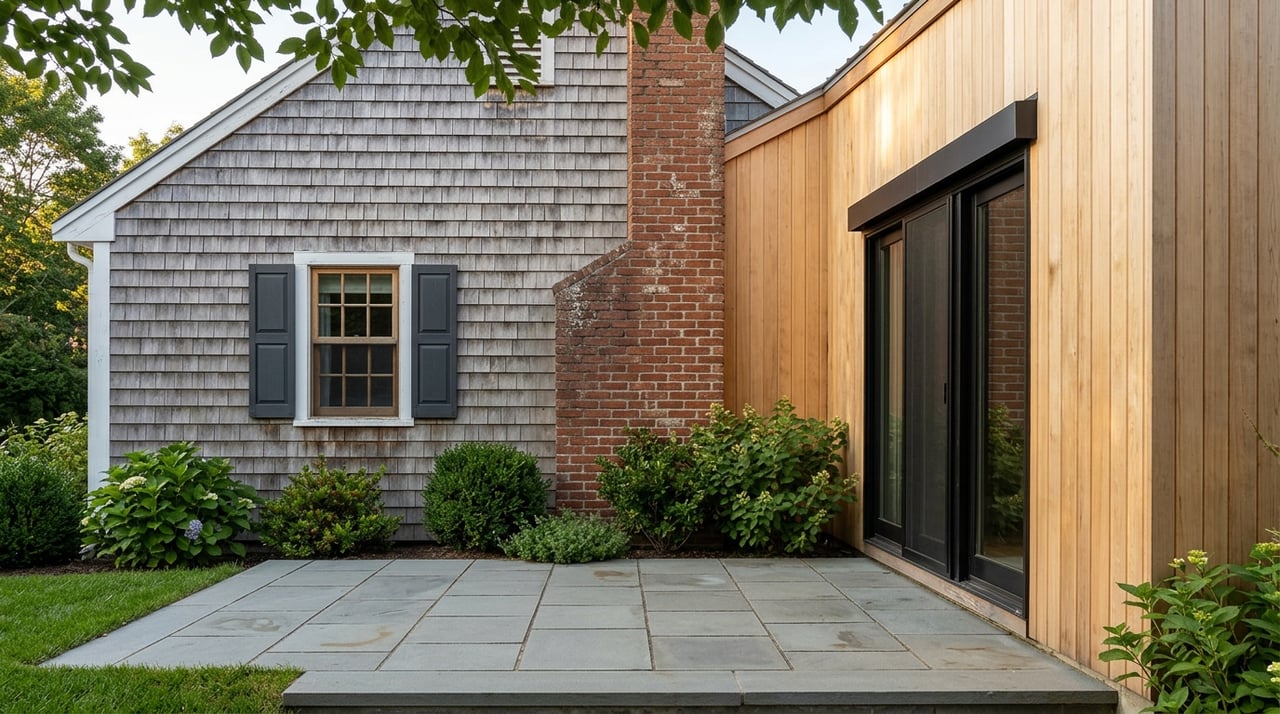
If you are weighing a cedar-shingled cottage with provenance against a crisp new build with modern systems, you are asking one of the most East Hampton questions there is. Both options can be compelling, and both come with tradeoffs that matter long after closing day. If you understand how local review rules, maintenance realities, and resale appeal differ, you can make a smarter choice with more confidence. Let’s dive in.
Why this choice matters in East Hampton
In East Hampton, historic charm and new construction are not just style preferences. They often come with different ownership experiences, especially when local district rules, permit history, and property condition enter the picture. What feels romantic on day one can also affect how you renovate, maintain, and eventually resell.
That is especially true because East Hampton does not operate under a single preservation system. The Town of East Hampton and East Hampton Village each have their own historic districts, and the review process can vary depending on where the property sits. Before you fall in love with a facade or floor plan, it helps to understand the local framework around it.
East Hampton historic rules to know
A historic home in East Hampton may be shaped by local oversight, but the details depend on location. The Town lists four historic districts: Springs, Montauk Association, Bluff Road, and Amagansett. East Hampton Village separately identifies four of its own: Huntting Lane, Ocean Avenue, Main Street, and Hook.
In East Hampton Village, owners in historic districts generally cannot change the appearance of significant exterior elements, other than normal maintenance, without first getting a Certificate of Appropriateness. In the Town, the Architectural Review Board reviews architecture, design, scale, style, and compatibility for historic landmarks and structures within designated historic districts and agricultural overlay districts.
One point often causes confusion for buyers. A home being listed on the National Register is not the same as being regulated by local preservation rules. On its own, federal historic designation does not automatically stop a private owner from making changes, but local Town or Village rules may.
Why buyers love historic homes
Historic homes in East Hampton often offer something that is hard to recreate. You may be drawn to original proportions, mature siting, period detail, and a sense of place that feels woven into the landscape. For many buyers, that authenticity is the whole point.
There is also a scarcity factor. In a market where design matters, a home with visible provenance and architectural character can stand apart in a meaningful way. East Hampton Village’s preservation policy is tied to protecting landmarks and historic districts as part of the community’s cultural and general welfare, which helps explain why these homes can remain so appealing.
For design-minded buyers, historic homes often tell a fuller story. They can feel less standardized and more rooted in the rhythm of the East End. That emotional value is real, even if the practical side requires a bit more patience.
Historic home tradeoffs to expect
Charm usually comes with less flexibility. If a property is inside a Village or Town historic district, visible exterior work may require review before you can move forward. That can slow timelines and make even thoughtful updates more specialized.
Maintenance is the other major consideration. Older homes may have little or no attic insulation, and older windows and doors can leak air and reduce energy performance. Improvements like attic insulation and air sealing can help, but older properties may still require a larger reserve for weatherization, envelope repairs, and hidden-condition surprises.
That does not make a historic home the wrong choice. It simply means your ownership plan should include careful due diligence, realistic budgeting, and the right specialists when questions come up.
What new construction offers
New construction often appeals for the opposite reasons. You may get a cleaner baseline on major systems, a more current layout, and stronger code-based energy performance from the start. For many buyers, that means less immediate work and a more predictable first few years of ownership.
East Hampton Town says permit applications must meet the New York State 2015 International Building and Energy Codes. New homes also require a HERS certificate and blower or duct tests. Those requirements do not guarantee perfection, but they do support the idea that a newer home is more likely to deliver strong efficiency and comfort than an older property that has not been substantially upgraded.
This is why new construction can feel easier on day one. Utility costs may be more predictable, maintenance may be lower in the near term, and the home may be better aligned with how many buyers want to live now. Open kitchens, newer mechanicals, and integrated indoor-outdoor flow often matter just as much as aesthetics.
New construction still has limits
New does not always mean unrestricted. In East Hampton, local rules still shape what can be built and how. A Town code amendment effective July 1, 2025 caps gross floor area for single-family residences at 7 percent of lot area plus 1,500 square feet, or 10,000 square feet, whichever is less.
Coastal properties may bring another layer of planning. The Town says minimum elevation requirements in flood hazard areas were revised under the New York State Residential Code and Building Code effective December 31, 2025. For buyers considering waterfront or flood-prone locations, those rules can affect design, budget, and long-term ownership planning.
A new home may also face review if it sits inside a historic district or agricultural overlay district. The Town’s Architectural Review Board specifically reviews architecture, design, scale, style, and compatibility in those areas. So even if a house is newly built, context still matters.
Resale comes down to buyer fit
When clients ask which option holds value better, the cleaner answer is usually this: it depends on which buyer pool the home speaks to. Historic homes often attract buyers who care deeply about craftsmanship, provenance, and a true sense of place. New construction tends to attract buyers who prioritize modern layouts, efficiency, and lower near-term maintenance.
In East Hampton, neither category is automatically stronger. A beautifully preserved historic home can have powerful appeal, especially when character is part of the property’s identity. A well-executed new build can be equally compelling when the buyer wants comfort, performance, and a turn-key experience.
The better question is whether the home’s story, condition, and location align with likely future demand. In this market, that usually means looking closely at district status, permit history, flood exposure, and how much work has already been completed.
How to choose the right fit
If you are torn between old and new, start with how you want to live. Do you want the texture and individuality of an older home, even if updates take more planning? Or do you want ease, efficiency, and a more predictable maintenance schedule?
Then look beyond finishes. A historic house with thoughtful upgrades may suit you better than a new build with compromises in siting or layout. On the other hand, a new home with strong documentation and code compliance may offer peace of mind that outweighs the pull of period details.
A good decision usually balances emotion with paperwork. East Hampton rewards buyers who appreciate design, but it also rewards buyers who verify exactly what they are buying.
East Hampton due diligence checklist
Before you commit to either path, make sure you review the basics carefully:
- Confirm whether the property is in East Hampton Village, the Town of East Hampton, or both for practical review purposes, and whether it sits inside a local historic district.
- Ask for records of any Certificate of Appropriateness or Architectural Review Board approvals tied to prior exterior work.
- Verify the permit file, final certificate of occupancy, and required energy-code documentation for newer construction.
- Check flood-zone status and elevation requirements before you budget for renovation or ownership costs.
- Plan for specialist inspections where needed, especially for structure, envelope, septic, HVAC, and historic materials.
The best purchases in East Hampton are rarely about choosing a category in the abstract. They are about understanding the exact property in front of you, how it fits your lifestyle, and what its next chapter will require.
If you are comparing a storied village home with a polished new build, a nuanced read of the details can make all the difference. The right guidance helps you see not just what is beautiful today, but what will feel right to own tomorrow. When you are ready to weigh the options with local perspective and a design-minded eye, connect with the CeeJack Team.
FAQs
What is the difference between East Hampton Village and Town historic districts?
- East Hampton Village and the Town of East Hampton have separate historic districts and different review processes, so buyers should confirm which jurisdiction applies to the specific property.
Does National Register status restrict changes to an East Hampton home?
- Not by itself. Federal historic designation alone does not automatically prohibit a private owner from altering a property, but local Village or Town rules may still impose restrictions.
Are historic homes in East Hampton harder to renovate?
- They can be, especially if visible exterior changes require local review or if the home needs specialized repairs tied to older materials and construction.
Is new construction in East Hampton always easier to own?
- New construction often offers newer systems and stronger code-based energy performance, but ownership still depends on the specific property, documentation, location, and any local review constraints.
What should buyers verify before purchasing new construction in East Hampton?
- Buyers should review the permit file, final certificate of occupancy, and required energy-code documentation, including items such as the HERS certificate and blower or duct test records when applicable.
How does flood exposure affect East Hampton home decisions?
- Flood-zone status and elevation requirements can affect renovation plans, design options, and ownership budgeting, especially for coastal properties.