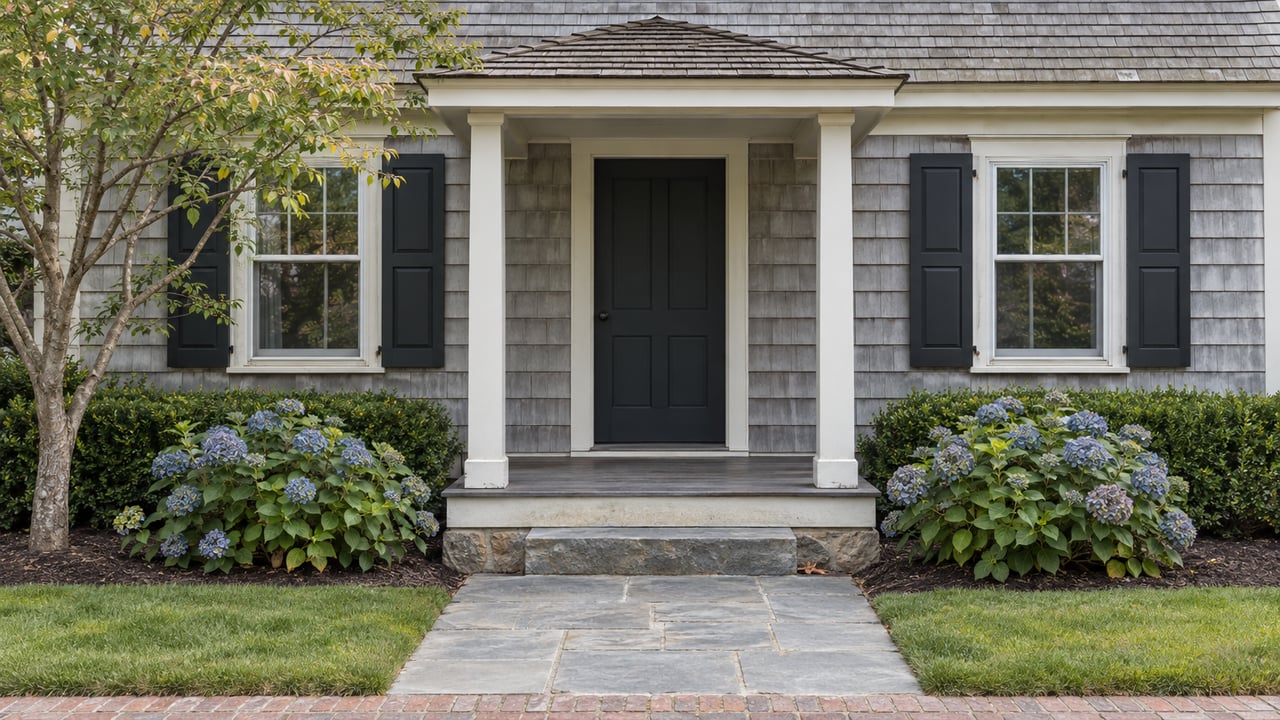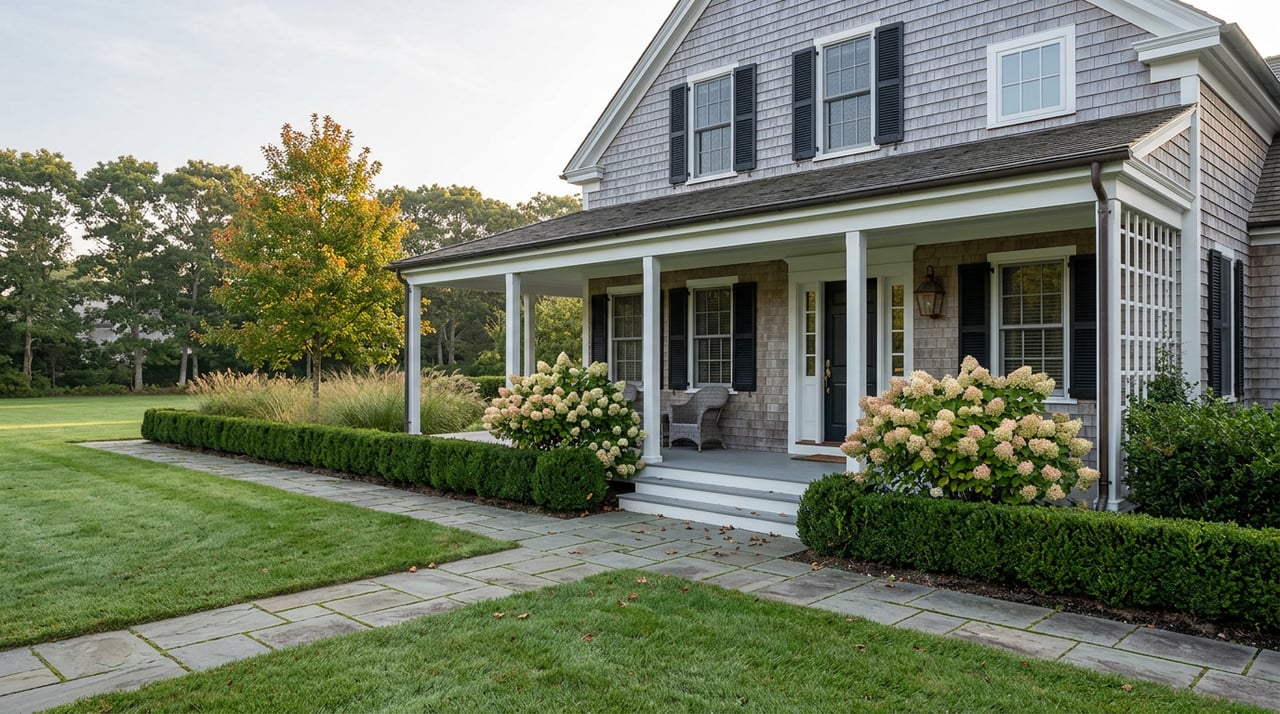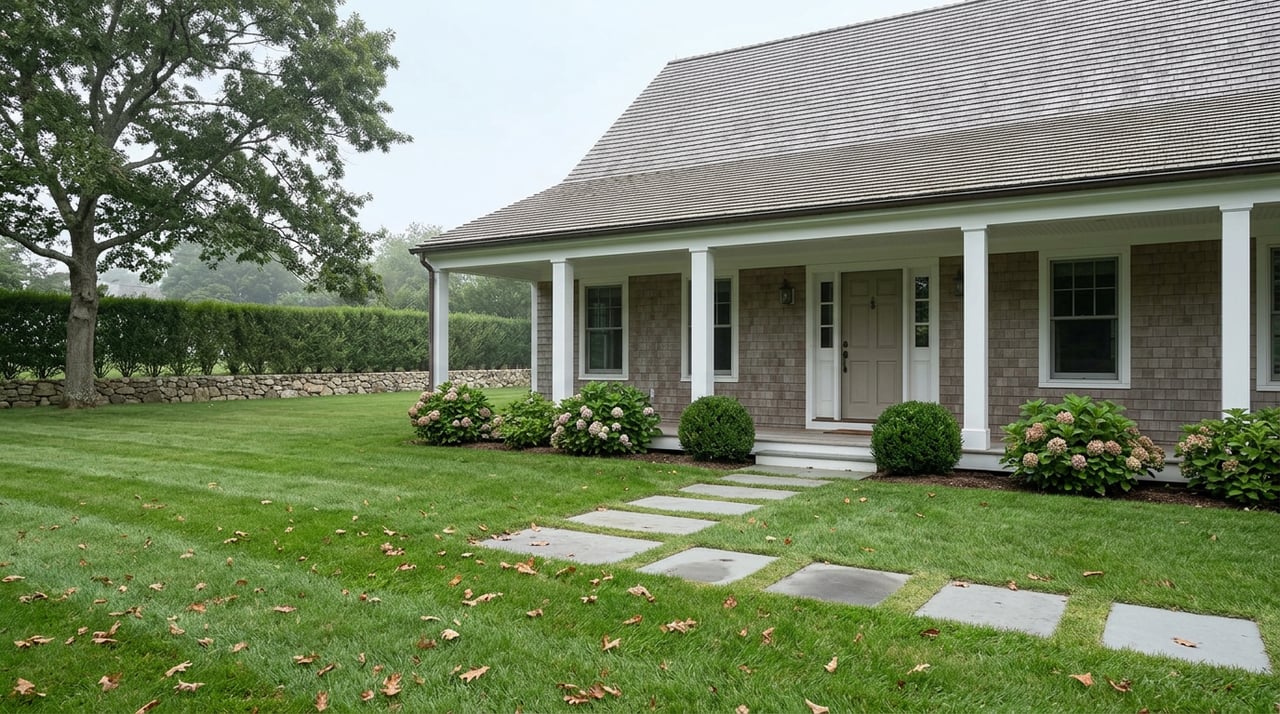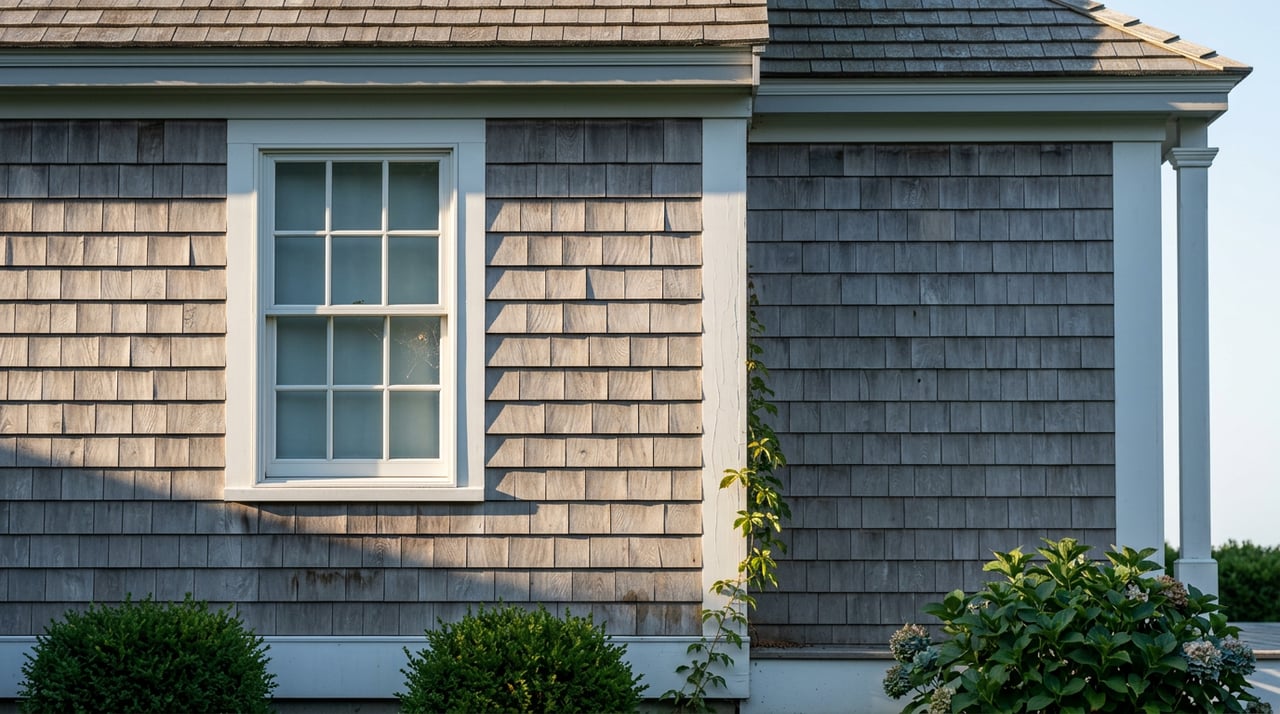
Last winter, a homeowner on Hampton Street asked the village for permission to add a second story to his house. The application went to Sag Harbor's Board of Historic Preservation and Architectural Review, the five-member panel that decides what gets built and rebuilt inside the village's historic district. There was one complication. The board's own chairman, Peter Acocella, lives next door, in a house built in 1740. He recused himself and hired a lawyer to argue against his neighbor's addition. An alternate member sat in his seat. The vote came back 3-2. Denied.
It is a strange story, and it is also the clearest possible illustration of something buyers routinely get wrong about Sag Harbor real estate: the historic district is not a uniform layer of restriction that sits evenly over every old house in the village. It is a case-by-case negotiation, and the line that decides how much friction you will face has almost nothing to do with how old your house is. It has to do with what's visible from the street.
The Line That Actually Matters
Sag Harbor's village code draws a distinction that surprises a lot of buyers who assume "historic district" means every renovation goes through a public hearing. It doesn't. Under the code that governs the Board of Historic Preservation and Architectural Review, a building permit application that involves only interior renovations does not need to go before the board at all. No certificate of appropriateness, no hearing, no waiting on a Thursday night agenda.
The trigger is exterior alteration, construction, reconstruction, demolition, or moving a structure, or any material change to the appearance of a property that's visible from an adjacent street or property. Gut a kitchen, reconfigure a floor plan, replace mechanical systems, and you can move straight to a standard permit. Touch a window sash, a porch rail, or a roofline that faces the road, and you're in front of the board.
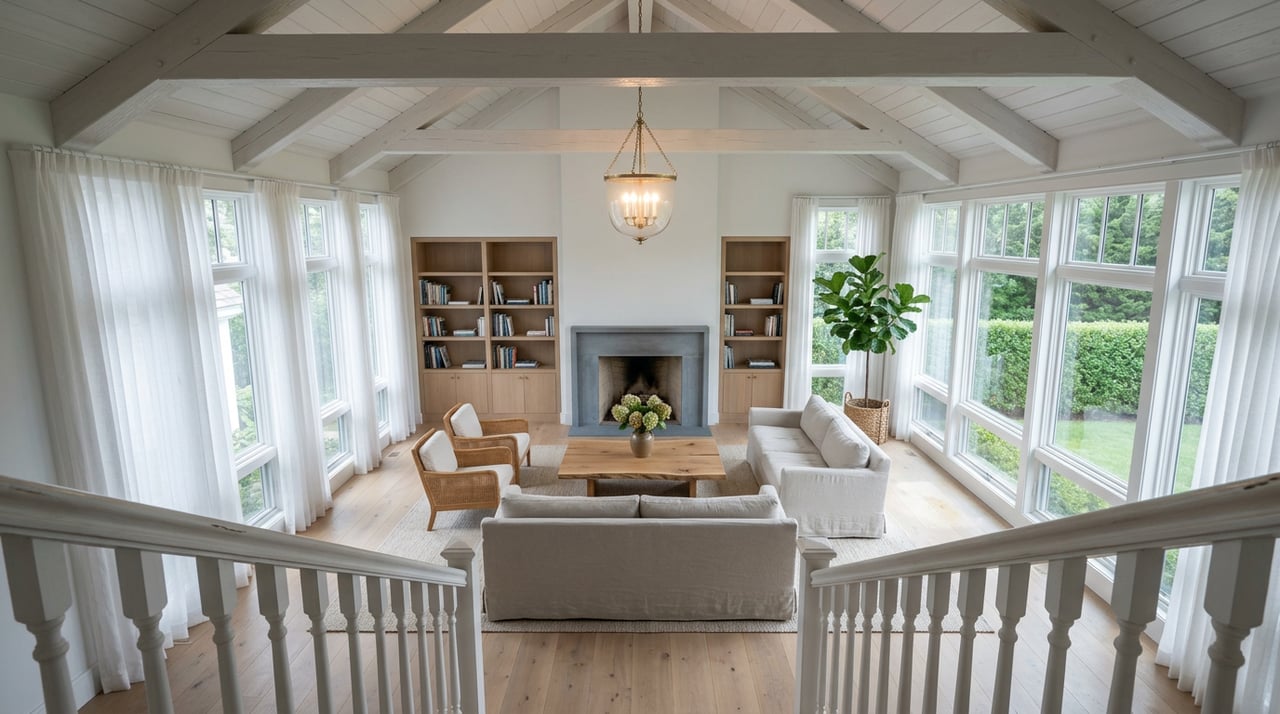
This is why a house that looks untouched from the sidewalk can have a fully modern interior, and why two houses of similar vintage can face wildly different timelines depending on whether the owner wants new HVAC or a new dormer.
What Actually Triggers Full Board Review
Not every exterior change gets the same scrutiny. The code sets a higher bar for the changes that would permanently alter a building or the streetscape around it.
| Triggers mandatory full-board review and a public hearing | Handled faster, often without a hearing |
|---|---|
| Demolition or removal of a landmark or contributing building | Interior-only renovations |
| Any project 3,000 square feet or larger | Minor items placed on a "consent agenda" (paint colors, materials already pre-approved by board policy) |
| New construction within the historic district | Applications where the board finds no objection at the meeting |
Approvals aren't permanent, either. Once the board grants a certificate of appropriateness, it's valid for two years from the date of the decision. If your renovation timeline stretches longer than that, either from financing delays, contractor scheduling, or just life, you may need to go back for a renewal.
The Paperwork That's New This Year
Even for projects that clear the board, the process got a new requirement in December 2025. The Village Board adopted Local Law 13 of 2025, which amends the code to require a construction protocol and preservation plan before major renovation work can begin on any of the village's roughly 698 contributing historic structures. The plan has to spell out, in the law's language, how historic building materials and features will be identified, retained, and preserved, and it has to show how the proposed work complies with the Secretary of the Interior's standards for historic properties.
Trustee Jeanne Kane, who backed the measure, said it would help both the building department and applicants because it puts everyone on notice up front that they "cannot jump to replace, but they must look to preserve first." The law grew out of a pattern village officials had watched for years: dumpsters full of original windows, doors, and trim sitting outside historic houses mid-renovation, materials that in many cases could have been repaired rather than tossed.
Not everyone loved the fix. Architect Anthony Vermandois, who renovates historic houses for a living, told the board at the public hearing that the intent was sound but the execution could get complicated in practice, since some contributing structures are pristine and others have already been heavily altered over the decades, and the 1994 list of what counts as "contributing" isn't without its own errors.
For a buyer, the practical upshot is straightforward even if the debate isn't: if you're closing on a contributing property and planning anything beyond interior work, budget time and a fee for a preservation consultant or architect who can produce this document before you can pull a permit. It's not a formality you can skip by moving fast.
The Board Can Say Yes to Something Big, Too
It's worth correcting the opposite assumption as well, that the historic district functions as a blanket brake on new construction. It doesn't always. On Marsden Street, developer Matthew Pantofel bought a roughly 4.13-acre property that had already been subdivided into four lots, after Southampton Town backed away from a plan to buy the land for the school district and voters rejected a follow-up referendum. Pantofel brought his designs for four new houses, ranging from about 4,700 to just over 5,100 square feet, before the ARB. He and his team appeared several times over several months, adjusting massing and orientation in response to board feedback. The board eventually approved the project, and heavy equipment moved onto the site to clear it for construction, a sight that startled residents even though the clearing itself was legal and consistent with the approval.
The lesson isn't that historic-district review is toothless. It's that the board's real leverage is over compatibility, not preservation for its own sake. New construction can proceed if it respects scale and street rhythm. A modest addition can get denied if the board decides it threatens the character of a specific block, especially one with a documented 18th-century house on it.
What This Means If You're Buying a Contributing House
The takeaway for anyone shopping a Sag Harbor listing inside the historic district is to stop asking "is this house old" and start asking a more precise set of questions before you write an offer:
- Is the renovation you have in mind purely interior, or does it touch anything visible from the street? That answer alone tells you whether you're looking at a standard permit or a board process that can run months.
- If the work qualifies as major, has anyone started the construction protocol and preservation plan required under the 2025 law, and who is going to write it?
- Is the project close to or over 3,000 square feet, or does it involve demolition? If so, expect a mandatory public hearing, not just a quiet sign-off.
- How old is any existing certificate of appropriateness on the property? If it's near the two-year mark, confirm whether it needs renewal before you can act on it.
None of this means a historic Sag Harbor property is a bad bet. It means the real cost of ownership includes a process, not just a purchase price, and the process rewards buyers who understand which parts of their plan are visible from the sidewalk and which ones aren't.
A Short FAQ
Does a house have to be an official landmark to fall under this review? No. The board's authority covers both individually designated landmarks and the roughly 698 buildings listed as contributing structures within the historic district boundaries, a much larger group than the landmark list alone.
Can I replace old windows without going before the board? If the windows are visible from the street or an adjacent property, that generally counts as a material change in appearance and needs a certificate of appropriateness. Some minor, previously approved items move through a faster consent agenda rather than a full hearing.
What happens if I do exterior work without approval? The board and building department have pushed back hard on unapproved exterior changes in the past, including regrading and planting done without sign-off. Skipping the process risks stop-work orders and the added cost of undoing work that wasn't approved in the first place.
If you're weighing a historic Sag Harbor property and want a clear read on what a specific renovation would actually require, the CeeJack Team can walk you through it before you write an offer, not after you're already six months into a permit application.