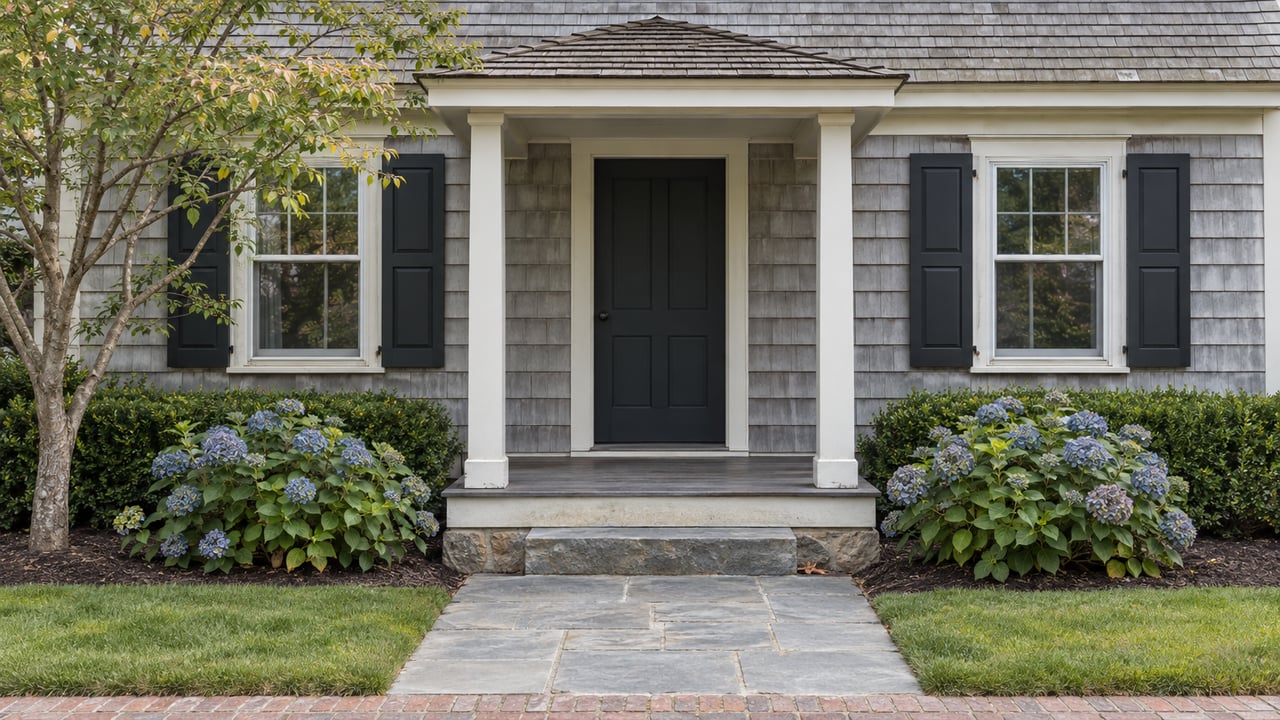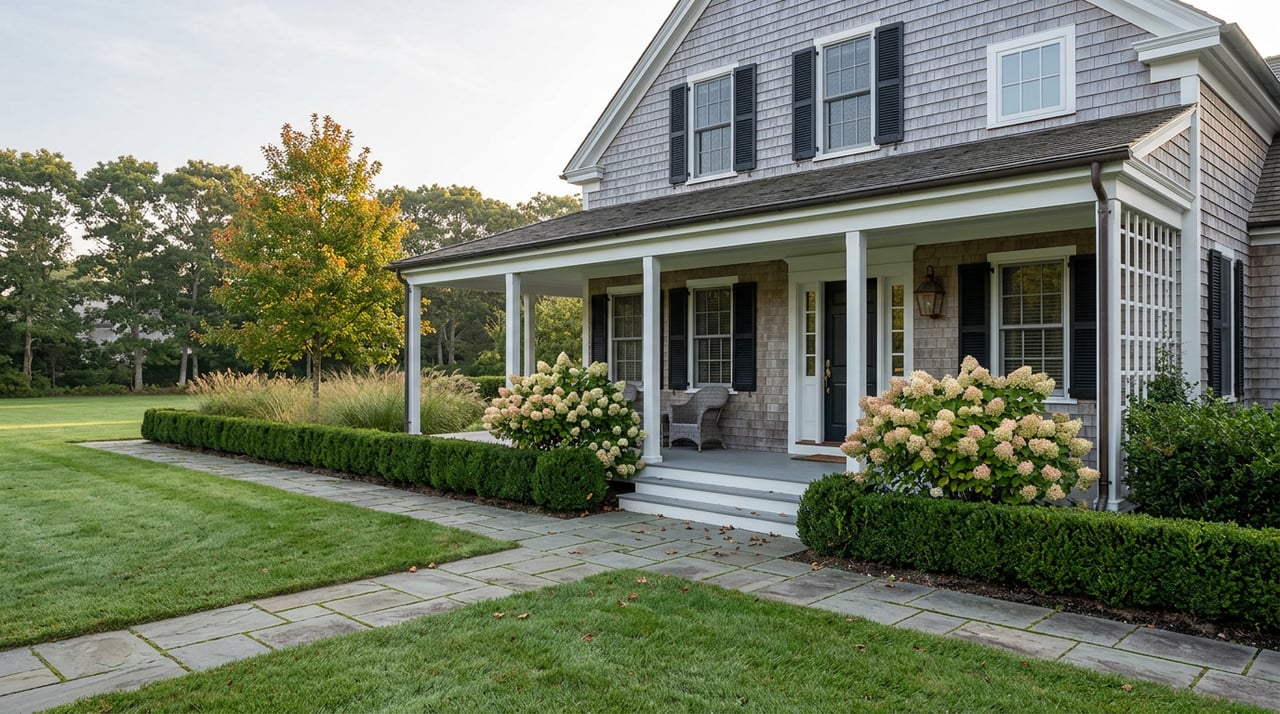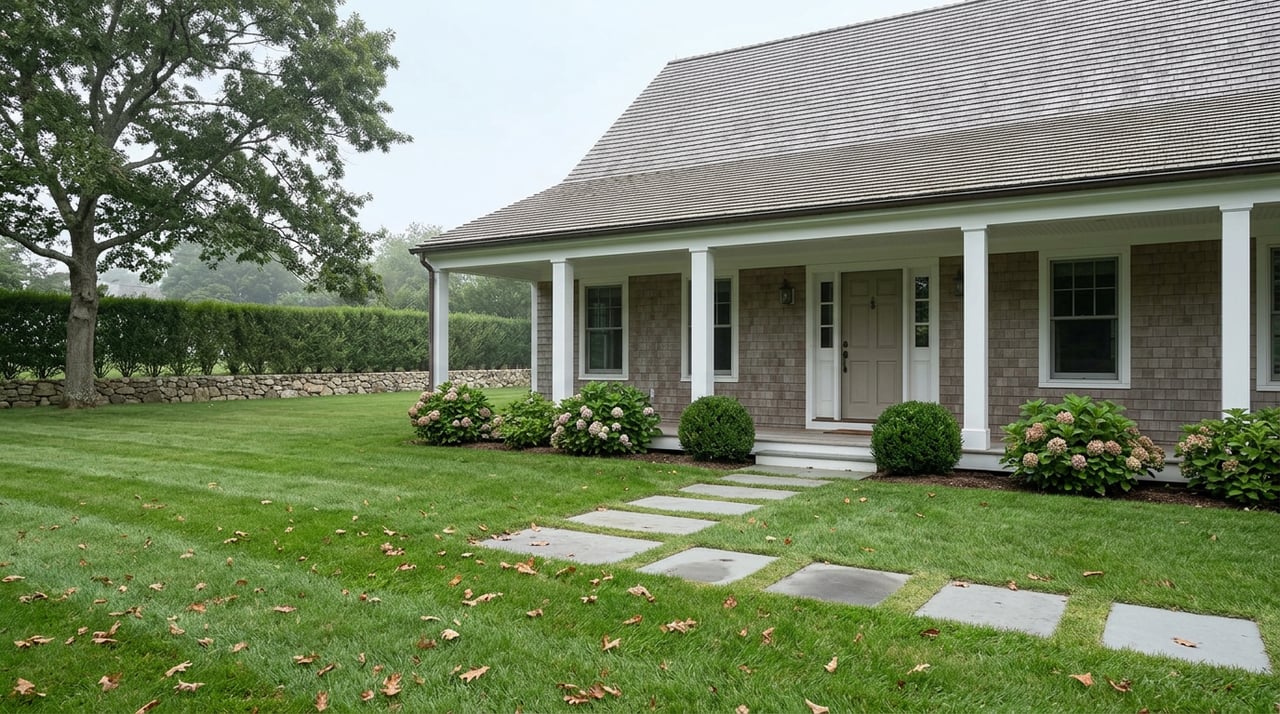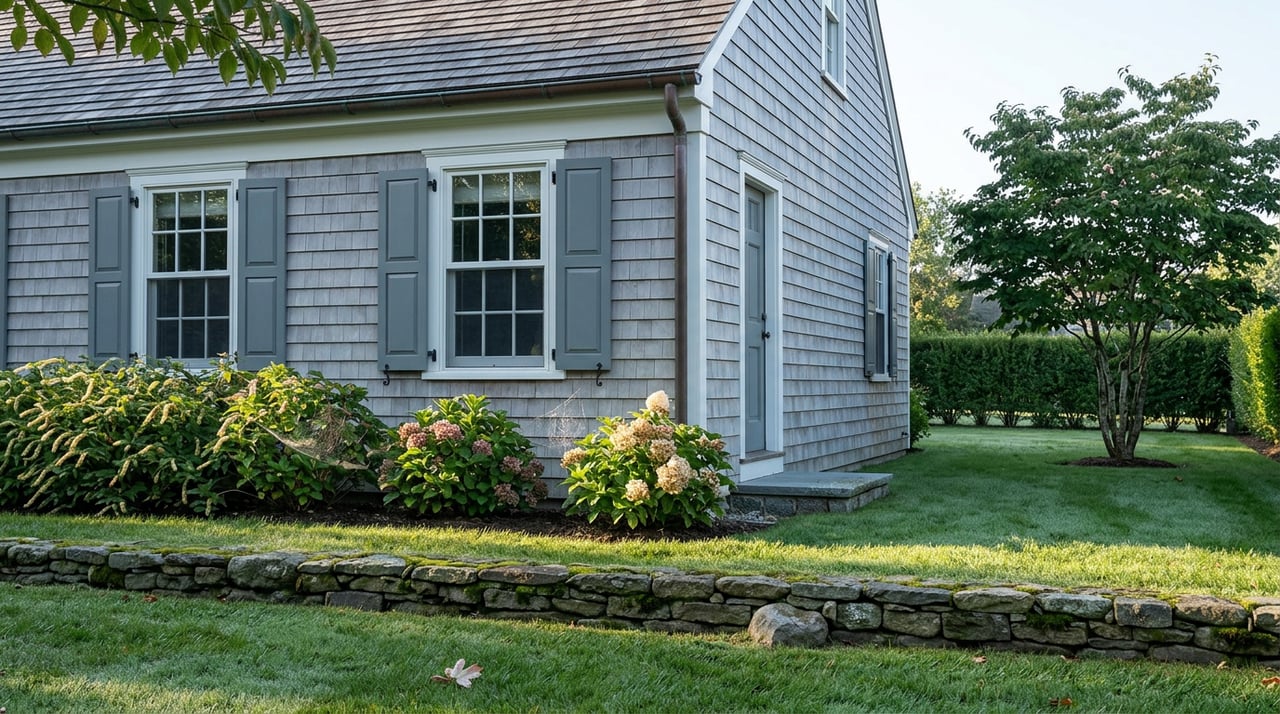
Picture the sequence. You close on a shingled three-bedroom on the north side of Wainscott. The septic inspection came back clean. Eighteen months later you're at the East Hampton Town building department with an architect's rendering for a 600-square-foot addition, and the reviewer tells you the system that passed inspection at closing now has to come out. Nothing about the house changed. What changed is what you're planning to build next.
That's the part of Wainscott's real estate math that doesn't show up on a listing sheet or a home inspection report. The system in the ground on the day you buy the house is almost beside the point. What determines whether you'll spend tens of thousands of dollars on wastewater treatment is the scope of work you file for afterward, and right now there's a narrow, well-funded window to get ahead of it.
The trigger isn't the sale, it's the scope
East Hampton Town's water protection district, drawn up in 2017 around groundwater travel time to sensitive water bodies, is the framework the town uses to steer septic upgrade incentives toward its most vulnerable ponds and harbors, Georgica Pond in Wainscott among them, where the town has funded water-quality projects for years. Inside that framework, a home can keep a conventional septic system or an old cesspool indefinitely, as long as nothing about the property changes. The system is grandfathered, not because it's clean, but because it predates the rule.
What breaks that grandfathering is construction scope. Stony Brook University's Center for Clean Water Technology, whose researcher Tom Varley briefed the Wainscott Citizens Advisory Committee earlier this month, has been explicit about where the line sits: conversion to an Innovative and Alternative nitrogen-removing system, known as I/A OWTS, is mandatory only when a project qualifies as major construction or a new build. Everything short of that remains voluntary. A cosmetic renovation might sail through. An addition of real size, a teardown, a ground-up new house, will not.
This is the mechanism a lot of buyers miss. They assume the transaction itself is the moment that matters, that if the septic system passes inspection at closing, they're settled. In Wainscott, the moment that actually matters comes later, at the building department, and it's triggered by the buyer's own plans rather than the seller's disclosure.
What the upgrade actually costs
The number worth knowing before you draw up renovation plans is the installed cost of an I/A system in East End towns, which Suffolk County Principal Environmental Analyst Julia Priolo put at roughly $36,500 as of this spring, a figure that runs higher than the countywide average of around $25,000 because of local site conditions and engineering requirements.
Very few Wainscott homes have made that switch voluntarily. Suffolk County has funded around 8,300 I/A installations to date, against a base of roughly 360,000 septic systems and cesspools across the county. That gap is the whole story. Most of the East End's housing stock, Wainscott included, is still running on systems that will work fine right up until a permit application forces the question.
The grant window opened on August 3rd
Suffolk County Executive Ed Romaine announced a streamlined online application system for the county's Septic Improvement Program earlier this month, and the headline number is meaningful: eligible homeowners can now receive up to $45,000 in combined state and county grants toward an I/A system. New York State recently raised its reimbursement rate to 75 percent, up to $25,000, and the county layers its own funding on top through the Reclaim Our Water program.
East Hampton Town adds a third layer for properties inside the water protection district, with incentives that have ranged from $15,000 to $25,000 depending on how close a home sits to a sensitive water body. Advocates who track the program around Georgica Pond, where the town's incentive runs highest, have described combined assistance reaching $55,000 to $65,000 for a single property. Set against a $36,500 installed cost, that math means a homeowner who converts voluntarily, before any permit forces it, can end up covering little to none of the bill.
Wait until a renovation triggers the requirement, and the incentive picture changes. Grant funds are typically routed to the installer as part of a planned, voluntary application, not stapled onto a construction project already underway.
The catch for teardowns
There's a nuance here that matters specifically for anyone planning to demolish and rebuild rather than add on. The county program requires that an existing sanitary system be abandoned and replaced as part of the grant, and it explicitly excludes new construction on a vacant lot. If a teardown gets treated, procedurally, as new construction on cleared land rather than a renovation of an occupied property, the grant that would otherwise offset the septic cost may not apply the same way. That's a distinction worth raising with a contractor and the town building department before finalizing plans, not after the demolition permit is issued.
What to ask before you sign
A few questions are worth asking early, whether you're buying, selling, or planning to renovate a Wainscott property already in your family.
- What type of septic system is currently installed, and roughly when was it put in?
- Do your renovation plans, an addition, a teardown, new construction, meet East Hampton Town's threshold for "major construction"?
- If they do, has anyone checked the county's grant portal and East Hampton's own water protection district incentive before the plans are finalized, rather than after a permit is filed?
None of these questions show up on a standard disclosure form. They live in the gap between what a house is today and what someone intends to do with it next, which is exactly the gap that decides the bill.
The broader pattern around Georgica Pond
None of this is happening in isolation. The Peconic Land Trust has been restoring wetlands along Talmage Creek near the pond's edge, and the town has separately pursued a stormwater abatement project at the Route 27 rest stop specifically to cut nitrogen and bacteria reaching Georgica Pond. Septic conversion sits inside a larger, active effort to bring the pond's water quality back, and that kind of sustained civic attention tends to mean tighter enforcement over time, not looser. A buyer weighing a Wainscott purchase with future renovation in mind is buying into that trajectory as much as the house itself.
A short FAQ
Does every home in Wainscott need to convert to an I/A system? No. Conversion is currently required only when a project meets East Hampton Town's definition of major construction or qualifies as a new build. A system in good working order can otherwise remain in place indefinitely.
Can a buyer apply for the grant before closing? The county program requires the property deed to be recorded in the applicant's name, so the grant attaches to the owner of record rather than a buyer still under contract. That timing detail is worth factoring into any negotiation involving planned post-closing work.
If you're weighing a purchase, a sale, or a renovation on a Wainscott property near Georgica Pond, the septic question is one of the few closing-cost conversations worth having before you write an offer, not after. The CeeJack Team has spent years working East End transactions where these details shape the actual number at the table, and we're glad to walk through what your specific plans and timeline mean before you commit to either. Work With Us.