Torn between waking up to surf at your doorstep or savoring sweeping ocean views from a quiet cliff? In Montauk, both choices are extraordinary, yet they live very different lives once you factor in risk, permits, year‑round use, and resale. You want clarity before you commit. This guide walks you through the real tradeoffs so you can choose a setting that fits your lifestyle and long‑term plans. Let’s dive in.
What “waterfront” means in Montauk
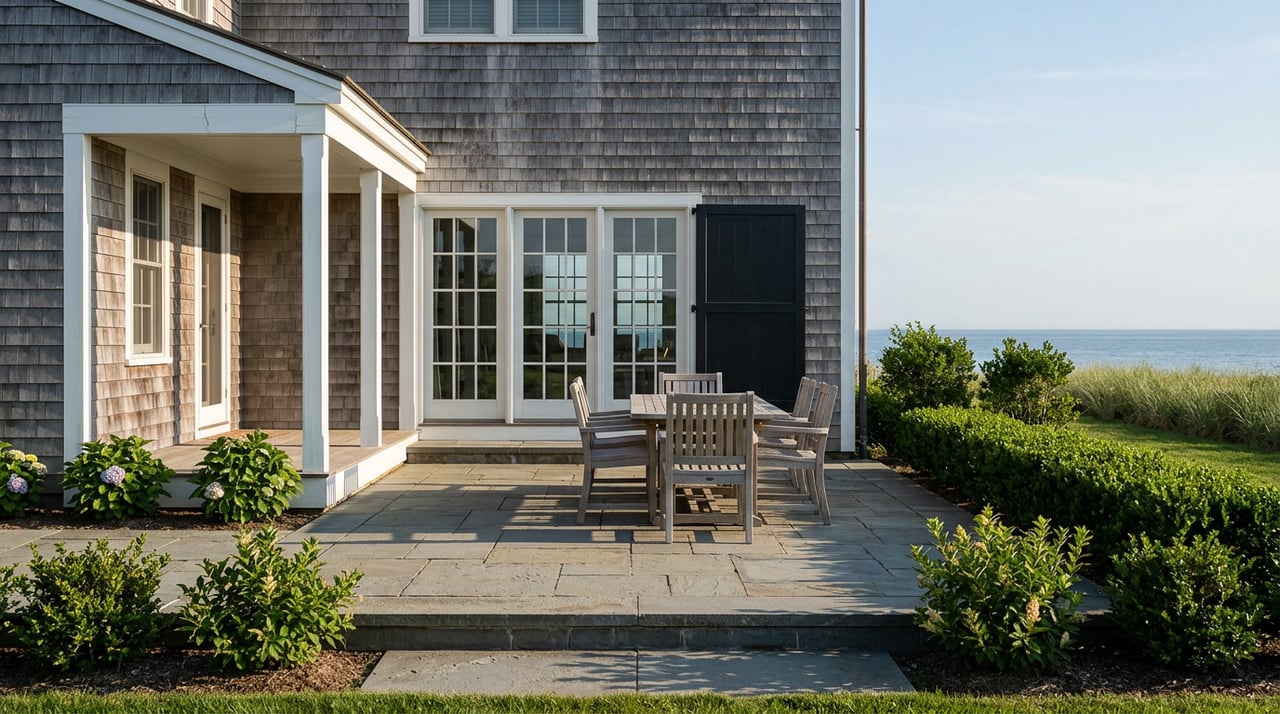
When people say “waterfront” here, they often mean direct oceanfront on the Atlantic. Blufftop homes sit above the shoreline with wide views and more separation from the waves. Sheltered options include Lake Montauk and harbor or bayfront parcels with calmer water and boating access. Each setting has its own rules, risks, and costs.
Oceanfront: access and energy
Oceanfront gives you the most immediate relationship with the beach and surf. You may have potential for direct beach access and the strongest marketing appeal when you resell or rent. The tradeoff is exposure.
- Properties can be mapped in FEMA Special Flood Hazard Areas. Many ocean‑facing parcels fall into coastal high‑hazard designations where wave action drives stricter building standards and higher insurance costs. Always confirm the exact flood zone, base flood elevation, and order an elevation certificate through the FEMA Flood Map Service Center.
- V and VE zones often require pile foundations and other coastal design features, which can increase build and retrofit budgets. For a quick primer on how those zones affect construction and insurance, review this Region II coastal glossary.
- New York’s Coastal Erosion Hazard Area maps add another layer. Work within mapped CEHAs usually needs state authorization, and armoring can require multi‑agency approvals. Check status in the NYSDEC DECinfo Locator.
Bottom line: oceanfront offers peak experience and strong demand if you accept the higher costs and permitting complexity that come with it.
Blufftop: views and privacy
Blufftop homes capture the horizon and the privacy many buyers want, with more separation from direct wave attack. Yet bluffs move.
- Montauk’s coastal bluffs are glacial sediments that can retreat over time or slump after storms. The USGS aerial images of Montauk’s bluffs show undercutting and slope change, which is why you should insist on a current bluff stability assessment and a conservative setback.
- CEHA rules and local code can limit new work near bluff edges. Expect longer lead times for approvals and possible conditions.
If you want views and calm, blufftop can be the sweet spot, as long as you respect bluff dynamics and permit realities.
Permits, flood maps, and public protection
Montauk benefits from coordinated coastal projects, yet parcel‑level due diligence is still essential.
- The Town signed a Project Partnership Agreement under the Fire Island Inlet to Montauk Point program. This long‑range effort supports beach and dune work in downtown Montauk. Learn more in the Town’s FIMP news updates. Public projects help, but they do not remove private‑parcel risks.
- Before you make an offer, download the correct FIRM panel and verify flood zones through FEMA’s mapping portal. If the home is in a VE zone, plan for coastal construction standards and higher premiums.
- Check CEHA status for the lot on the NYSDEC DECinfo Locator. If the property has any existing shoreline work, gather permits and maintenance records.
Year‑round use and infrastructure
If you plan to enjoy the house beyond summer, confirm systems and utilities can handle winter.
- Many Montauk homes began as seasonal cottages. Look for upgraded heating, insulated pipes, and freeze protection. A standby generator is common along the coast. PSEG Long Island has documented reliability improvements in the area, which is helpful context, and you can review recent work in their Montauk reliability update. Ask for the property’s outage history.
- Many neighborhoods rely on on‑site septic systems. Verify permits and recent inspections, and ask about future wastewater projects. The Town’s work near Camp Hero is a useful reference point for local planning, outlined in the Proposed Camp Hero Wastewater Treatment Improvement Project.
Boating, docks, and moorings
If boating is part of your vision, do not assume a dock or mooring comes with the deed.
- The Town of East Hampton regulates moorings and docks. Transferability, wait lists, fees, and placement are controlled by local authorities. Review the Town’s docks and mooring rules and confirm details with the Harbormaster before you bid on a property advertised as “boater’s dream.”
Sheltered water settings like Lake Montauk often offer calmer conditions and easier year‑round usability, but you must verify the exact rights and limitations in writing.
Insurance, rentals, and carrying costs
Costs vary sharply by location and zone.
- Properties in Special Flood Hazard Areas with mortgages almost always require flood insurance. V and VE zones raise both elevation requirements and expected premiums. Speak with a broker who specializes in coastal risks and get quotes before you finalize terms, starting with the definitions in the Region II glossary.
- If you plan to rent seasonally, you must register with the Town and comply with safety and capacity rules, and you will need to collect and remit county occupancy tax. Start with the Town’s Rental Property Registration form and checklist.
Market context and value drivers
Direct oceanfront usually commands the highest premiums and strong rental demand. Those premiums come with higher carrying costs for insurance and resiliency features. Blufftop properties often trade on view and privacy while avoiding constant wave action, though bluff stability can weigh on pricing. Sheltered waterfront attracts owners focused on boating and year‑round function. For any specific property, your agent should run season‑appropriate comps and factor zone, permits, and engineered improvements into price.
Touring checklists to compare settings
If you lean oceanfront
- Confirm the flood zone, FIRM panel, base flood elevation, and request the latest elevation certificate from the seller. Use the FEMA map portal to verify.
- Ask for all shoreline permits and records of dune, revetment, or seawall work, including agency approvals.
- Get preliminary insurance quotes based on current elevation, construction type, and distance to the water.
- Review CEHA status and any prior state authorizations on the DECinfo Locator.
If you lean blufftop
- Order a recent survey that maps the bluff crest and the measured setback. Pair it with a geotechnical or coastal engineer’s stability assessment. Use the USGS bluff imagery as context for local behavior.
- Check CEHA mapping and local code constraints on additions, pools, and decks.
- Verify flood zone status and confirm whether the home’s foundation and finished floor meet current standards.
If you want sheltered or harbor settings
- Confirm mooring or dock rights, transferability, and any wait lists with the Harbormaster. Start with the Town’s docks and mooring rules.
- Review tidal range, depth, and wake exposure for practical boating use.
- Verify septic permits and ask whether any neighborhood wastewater improvements are planned. See the Town’s Camp Hero wastewater project page.
Decision guide: which setting fits you
- You want private, walk‑out surf and nightly sunsets. Choose oceanfront if you accept higher insurance, CEHA and FEMA constraints, and likely permitting costs.
- You want the view and privacy with less day‑to‑day wave action. Choose blufftop, but insist on a current bluff stability report and a conservative setback margin.
- You want boating and year‑round practicality. Choose sheltered bayfront or Lake Montauk, and verify mooring rights early.
Work with trusted local advocates
Choosing between oceanfront and blufftop in Montauk is not only about lifestyle. It is a permitting, engineering, and ownership decision as much as a design one. If you would like a curated shortlist, permit context, and an honest read on risk and resale, the CeeJack Team is here to help.
FAQs
What should a first‑time Montauk buyer check before bidding on an oceanfront home?
- Start with the flood zone and base flood elevation on FEMA maps, the latest elevation certificate, CEHA status, and records of any shoreline work with permits.
How risky are Montauk bluffs for a blufftop home purchase?
- Bluffs can retreat over time or slump after storms, so insist on a current survey, a geotechnical stability assessment, and confirm CEHA setbacks before planning additions.
How do FEMA V or VE zones affect design and insurance for coastal homes?
- VE zones indicate wave action that triggers stricter building standards like pile foundations and usually higher flood insurance premiums compared to non‑coastal zones.
Do Montauk waterfront deeds include a dock or mooring by default?
- No. Moorings and docks are regulated by the Town. You must verify rights, transferability, placement, and any wait lists with the Harbormaster in writing.
Can I use a Montauk home year‑round without major upgrades?
- Many homes were built for summer use. For winter comfort, look for upgraded heating, pipe insulation, freeze protection, and consider a standby generator.
What permits impact renovations on oceanfront or blufftop lots?
- CEHA and local code may limit work near the shoreline or bluff edge. Expect multi‑agency review for shoreline armoring and longer approval timelines.