Torn between a walkable harbor village and sweeping farmland vistas? If you are choosing between Sag Harbor and Bridgehampton, you are really choosing between two distinct Hamptons lifestyles that both deliver beauty and access. Each offers its own rhythm, property types, and daily conveniences. By the end of this guide, you will understand the differences, key price bands, and the practical checks that help you make a confident decision. Let’s dive in.
Quick comparison at a glance
- Sag Harbor: walkable harbor village, marinas, cultural life, historic streets, smaller lots, active dining scene.
- Bridgehampton: acreage and privacy, equestrian facilities, farmland views, larger parcels, quieter commercial core.
- Waterfront access: Sag Harbor centers on boating culture and marinas. Bridgehampton’s premium is land and farmland proximity, with ocean and bay options also available.
- Typical buyers: Sag Harbor suits walk-to-dining and boating life. Bridgehampton suits space, stables, and privacy seekers.
- Commute: Bridgehampton has an LIRR station on the Montauk Branch. Sag Harbor does not have a direct station and relies on nearby stops or coach services.
Sag Harbor lifestyle
Sag Harbor is a historic harbor village with a true downtown. You can walk to shops, restaurants, galleries, and community arts venues, which supports an active year-round and seasonal scene. Marinas and boating services anchor daily life, and the village layout encourages evening strolls and casual social moments. Lots tend to be smaller near the core, which keeps the streets intimate and lively.
Common Sag Harbor homes
- Renovated village cottages and small single-family homes in the core.
- Historic and architectural residences, including 19th-century styles in designated districts.
- Waterfront and water-view homes, including properties with harbor access or slips.
- Select condos and townhomes for lower-maintenance living.
Sag Harbor price bands
Pricing varies by specific street, condition, water proximity, and season. As a general guide, entry points for village or condo options often start in the low seven figures. Mid-market purchases commonly fall in the roughly 2 million to 5 million range, especially for well-finished village homes or smaller waterfront options. High-end and waterfront properties can range from about 5 million to 20 million plus, reflecting water access, views, and docking potential.
Who Sag Harbor fits
- You want to walk to restaurants, shops, and galleries.
- You are a boater or sailor who values marinas, moorings, or docking options.
- You love historic character and an active, village-centered social life.
- You are comfortable with smaller lots in exchange for daily convenience.
Bridgehampton lifestyle
Bridgehampton sits in the Town of Southampton and is known for open farmland, horse farms, and rural tranquility. Larger lots, long driveways, and privacy are common, with views that stretch across fields and preserved land. Equestrian life is a major draw, including significant horse shows associated with the area. The commercial scene is refined but quieter than a harbor village, which suits buyers who prize retreat and space.
Common Bridgehampton homes
- Small houses and cottages on modest parcels for entry-level options.
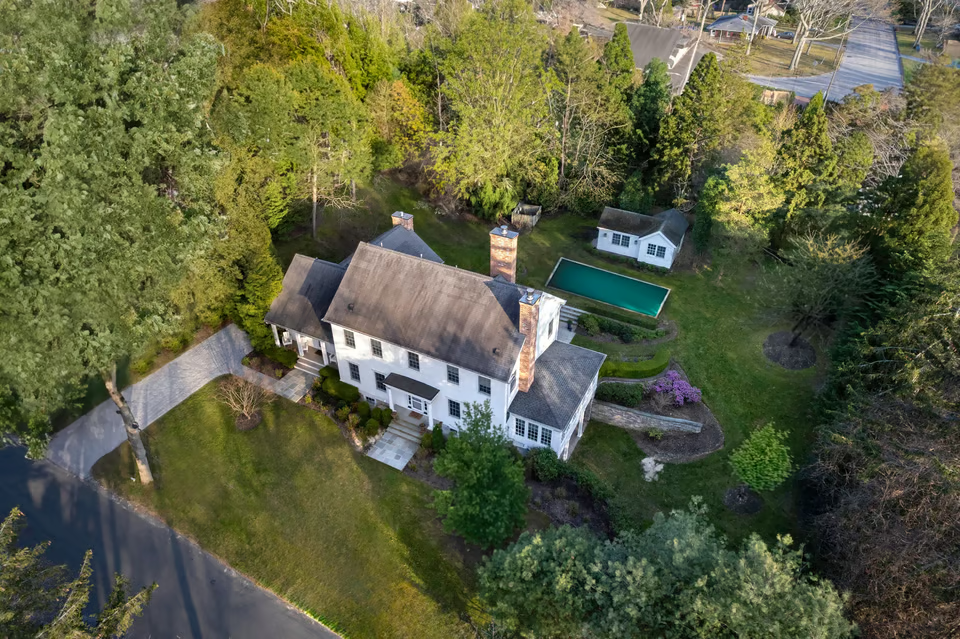
- Homes on 1 to 5 acres, often updated and sometimes equestrian-ready.
- Full equestrian estates and farms with barns, paddocks, and arenas.
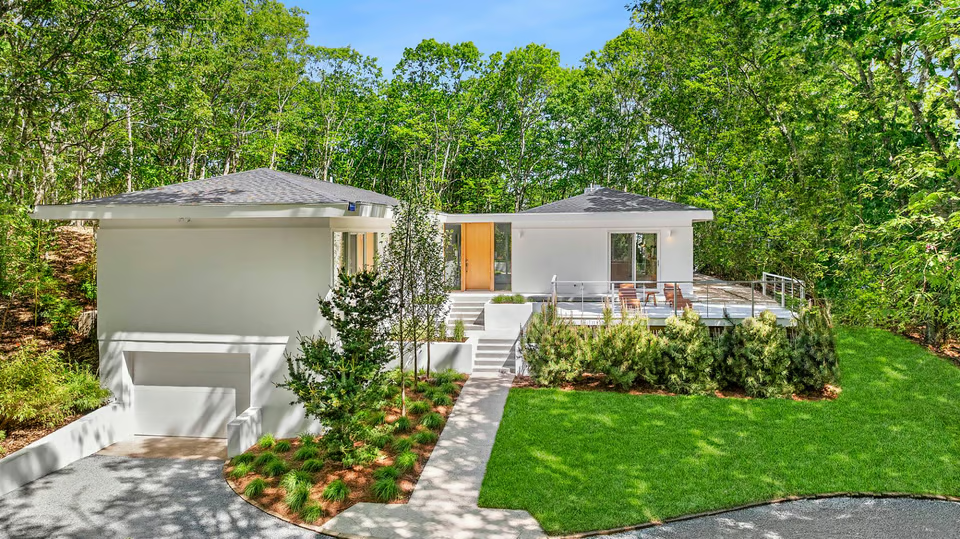
- New-construction modern estates and multi-acre compounds in the upper-luxury tier.
Bridgehampton price bands
As in all Hamptons markets, pricing depends on exact location, land, and water factors. Entry-level opportunities often begin in the low seven figures. Mid-market purchases commonly range from roughly 2 million to 8 million, including updated homes on 1 to 5 acres. High-end equestrian estates and large compounds can range from about 5 million to 30 million plus, especially with full facilities and top-tier acreage.
Who Bridgehampton fits
- You want acreage for privacy, pets, gardening, or a hobby farm.
- You need space for horses, with barns, paddocks, and arenas.
- You prefer a country atmosphere with easy access to beaches and preserves.
- You plan to build or expand, using larger lots subject to local rules.
Beaches, boats and horses
In Sag Harbor, the harbor sets the tone. You will find marinas, yacht services, and waterfront dining options that create a strong boating culture. Cultural institutions, such as community theaters and a whaling and maritime museum, add depth to the village’s year-round arts scene. Bay beaches and seasonal ferries connecting to nearby coastal points enhance the maritime experience.
In Bridgehampton, equestrian life and farmland views lead. The area features important horse events, country roads, and easy access to South Fork beaches. Farm stands and agricultural activity are part of everyday rhythms. Shopping is more boutique and dispersed, which suits buyers who prefer a quieter base of operations.
Commute and getting around
Bridgehampton has a stop on the LIRR Montauk Branch, which is useful if rail access to New York City is part of your routine. Sag Harbor does not have a direct train station. Travelers typically use nearby rail stops or motor coach services that serve the Hamptons on regular and seasonal schedules. Driving to the city is commonly 2 to 3 hours, with heavier traffic in peak summer and on weekends.
Due diligence checklist
Before you tour seriously or make an offer, confirm the following items. These factors can affect value, timeline, and feasibility.
- Jurisdiction and zoning. Sag Harbor village spans parts of both Southampton and East Hampton towns. Regulations, permits, and certain taxes or fees can differ depending on the parcel. In Bridgehampton, review Town of Southampton zoning for lot size, coverage, and accessory uses such as barns or agricultural structures.
- Coastal regulation and wetlands. Confirm FEMA flood zones and property elevation. Waterfront improvements and work near wetlands or dunes often require permits from the village or town and state agencies. Some projects also involve federal review.
- Flood risk and insurance. Review elevation certificates, prior flood claims if available, and insurer availability for waterfront and low-lying properties. Consider long-term resilience and potential cost changes over time.
- Septic or sewer. Many South Fork properties rely on septic systems. Confirm system age, type, capacity, and replacement requirements with the county health department. Some village areas may have sewer service that can affect renovation and expansion options.
- Historic districts and design review. Parts of Sag Harbor are in historic districts. Exterior changes in those areas may require approvals. Bridgehampton can include local historic overlays or neighborhood covenants, so check specific addresses.
- Short-term rental rules. Rental regulations vary by municipality and have changed in recent years. Sag Harbor’s split jurisdiction adds complexity. Confirm current rules, registration needs, and any minimum stay requirements with the relevant town or village.
- Utilities and services. Verify electric service capacity for planned renovations, availability of natural gas or alternate fuels, and broadband coverage for remote work. Also review trash and recycling schedules and any local fees.
- Conservation easements. Organizations active on the East End protect farmland and open space. Some parcels have easements that limit future development. Confirm with title and local resources.
- Transportation plan. Factor in rail proximity, coach service schedules, and seasonal traffic. If air or ferry options matter, map those routes in peak and off-peak periods.
Timing your purchase
Seasonality shapes the market on the East End. Late spring and summer bring the strongest demand, especially for waterfront and prime village properties, and inventory can be tight. Fall and winter can offer more negotiating room in some segments. Exceptional waterfronts and turnkey estates often remain in demand throughout the year, so timing should reflect your priorities and readiness.
Value drivers to watch
In Sag Harbor, walkability, harbor access, and cultural amenities drive long-term appeal. In Bridgehampton, land, privacy, and equestrian potential are key. Both communities face broader coastal and regulatory dynamics that can influence value. As you evaluate properties, weigh what is immutable about a location, such as harbor or farmland adjacency, against factors you can change through design and renovation.
How to choose quickly
Use this simple alignment check to see which area matches your day-to-day life.
- Choose Sag Harbor if you want village convenience, boating access, and a lively, walkable core. You accept smaller lots because being close to dining and culture matters most.
- Choose Bridgehampton if you want acreage, privacy, and room for equestrian pursuits. You value quiet, open views, and the flexibility that larger parcels can provide.
Next steps
If you are still torn, the best move is to tour both on the same day. Start in Sag Harbor to feel the harbor energy, then head to Bridgehampton to experience scale, privacy, and farmland views. Seeing each setting back-to-back clarifies your preferences quickly. When you are ready, the CeeJack Team can curate on-market and private options, explain the local permitting landscape, and align a shortlist that fits the way you actually live.
FAQs
What is the core difference between Sag Harbor and Bridgehampton?
- Sag Harbor centers on a walkable harbor village lifestyle, while Bridgehampton emphasizes acreage, privacy, and equestrian culture.
Does Sag Harbor have its own train station for NYC access?
- No, Sag Harbor does not have a direct LIRR station, and travelers use nearby stations or coach services instead.
Are equestrian properties easier to find in Bridgehampton?
- Yes, Bridgehampton more commonly offers equestrian-ready parcels and full estates with barns, paddocks, and arenas.
How do flood risks and insurance compare between the two?
- Both areas have coastal exposure, so you should check FEMA flood zones, elevation certificates, and insurer availability for each specific property.
What should I know about short-term rental rules in each area?
- Rules vary by municipality and have changed over time, with Sag Harbor spanning two towns that may apply different requirements and registrations.
Will a historic district affect my Sag Harbor renovation plans?
- Yes, exterior changes in designated historic districts can require review and approvals, which you should confirm early in your process.