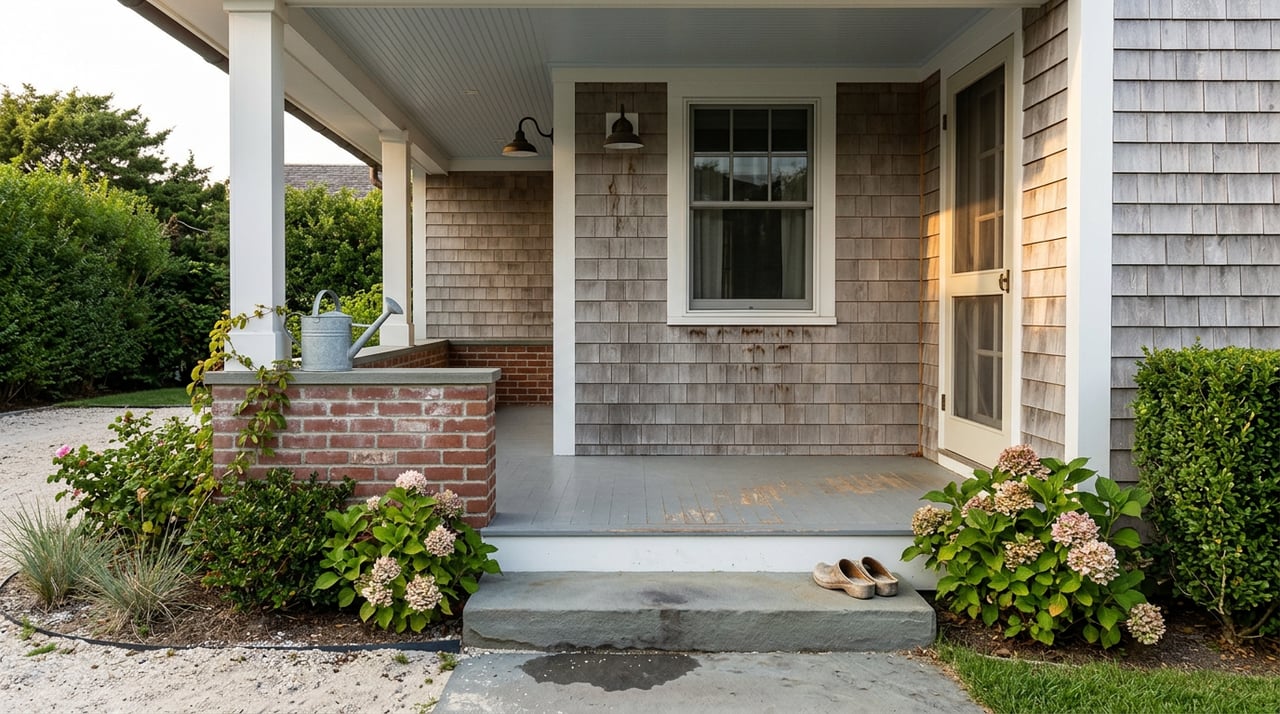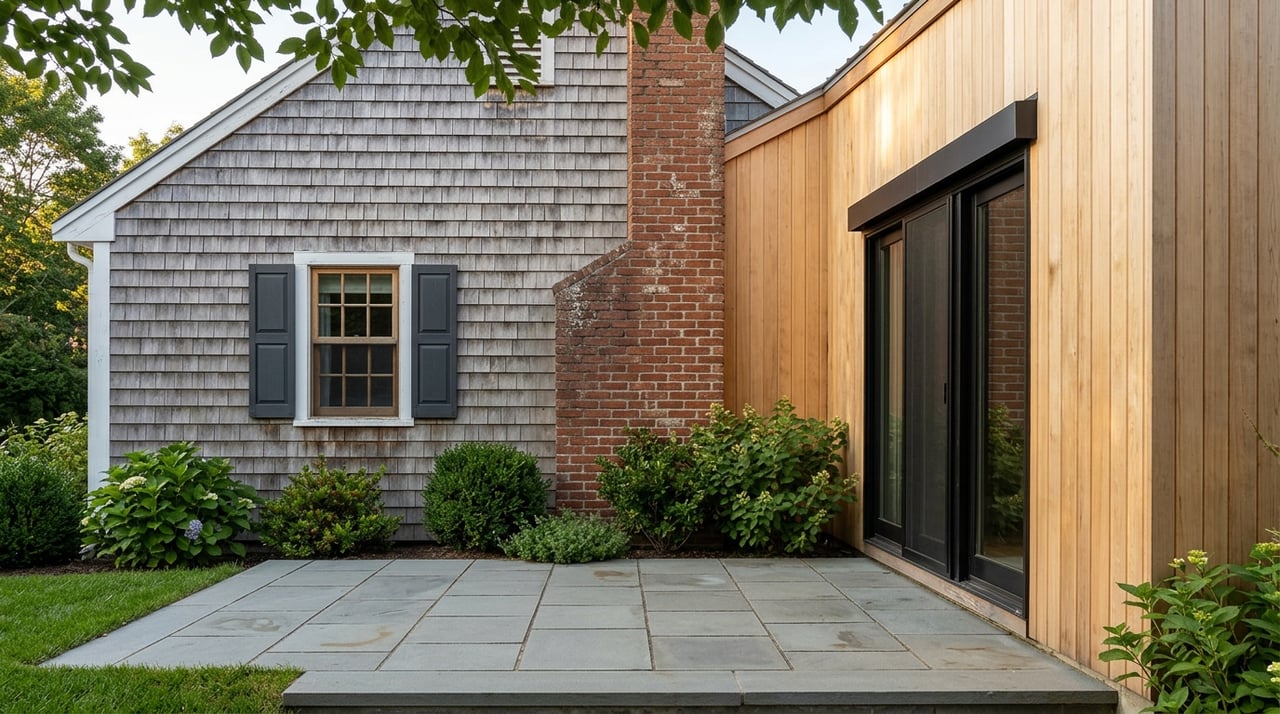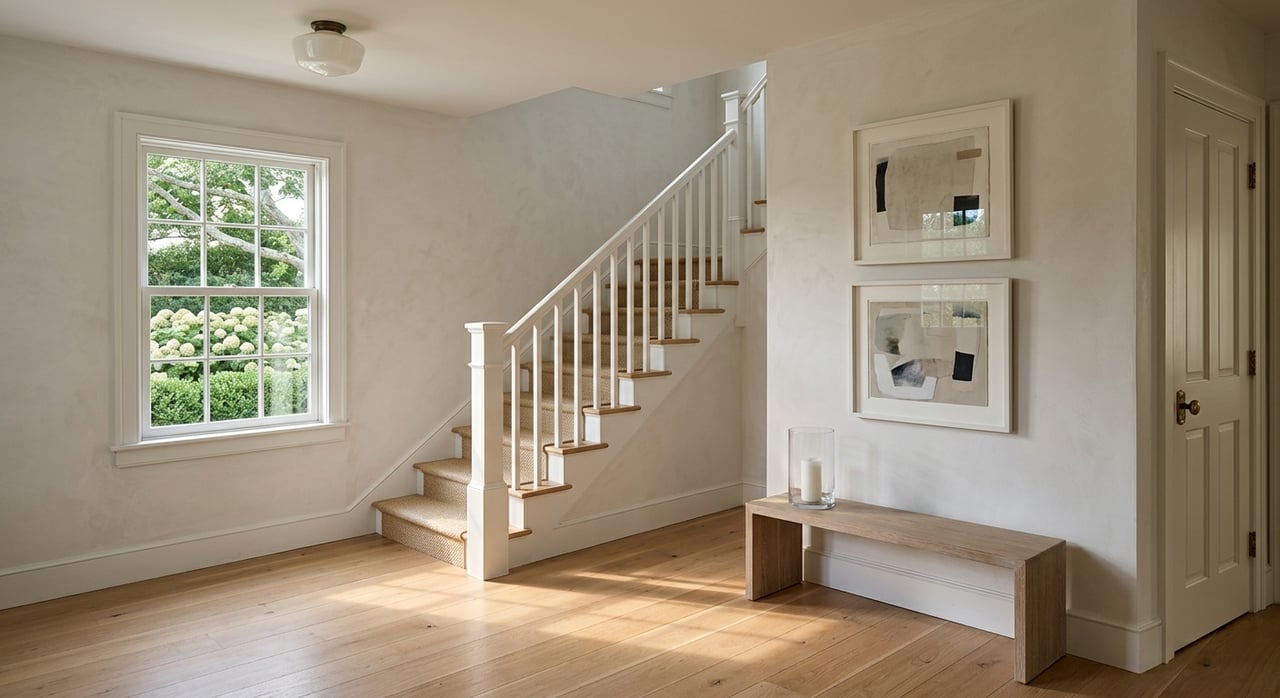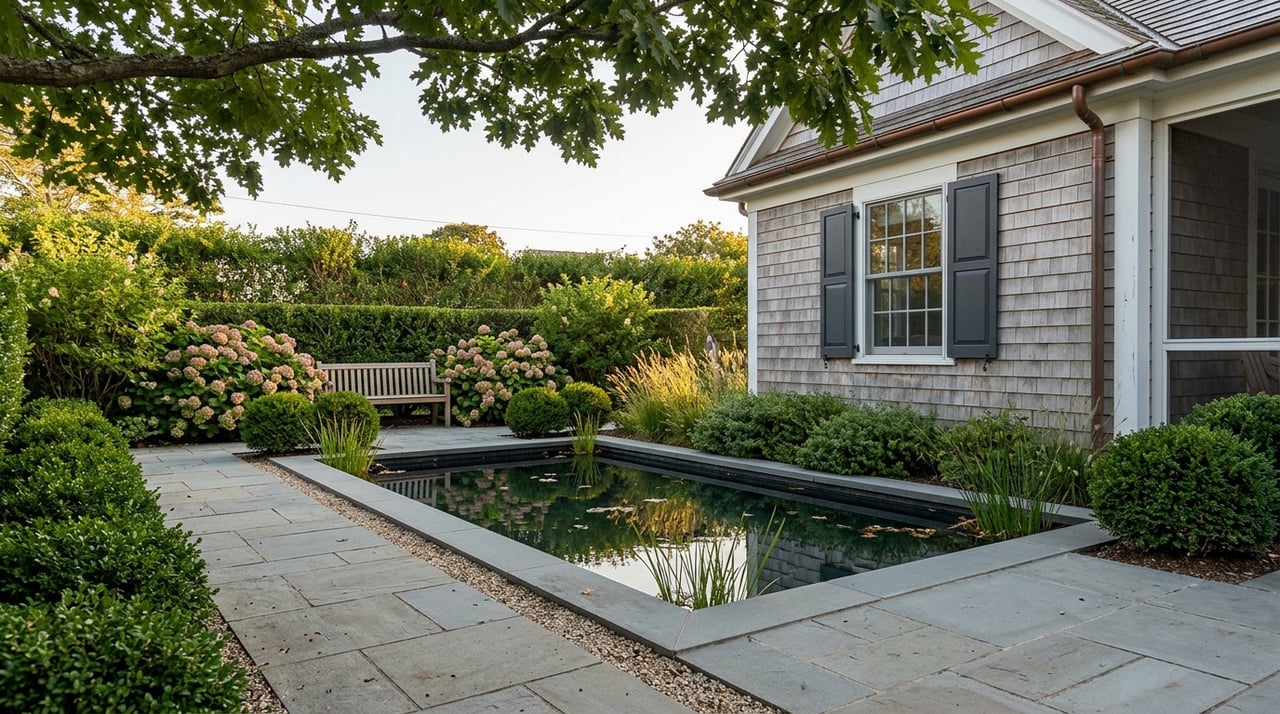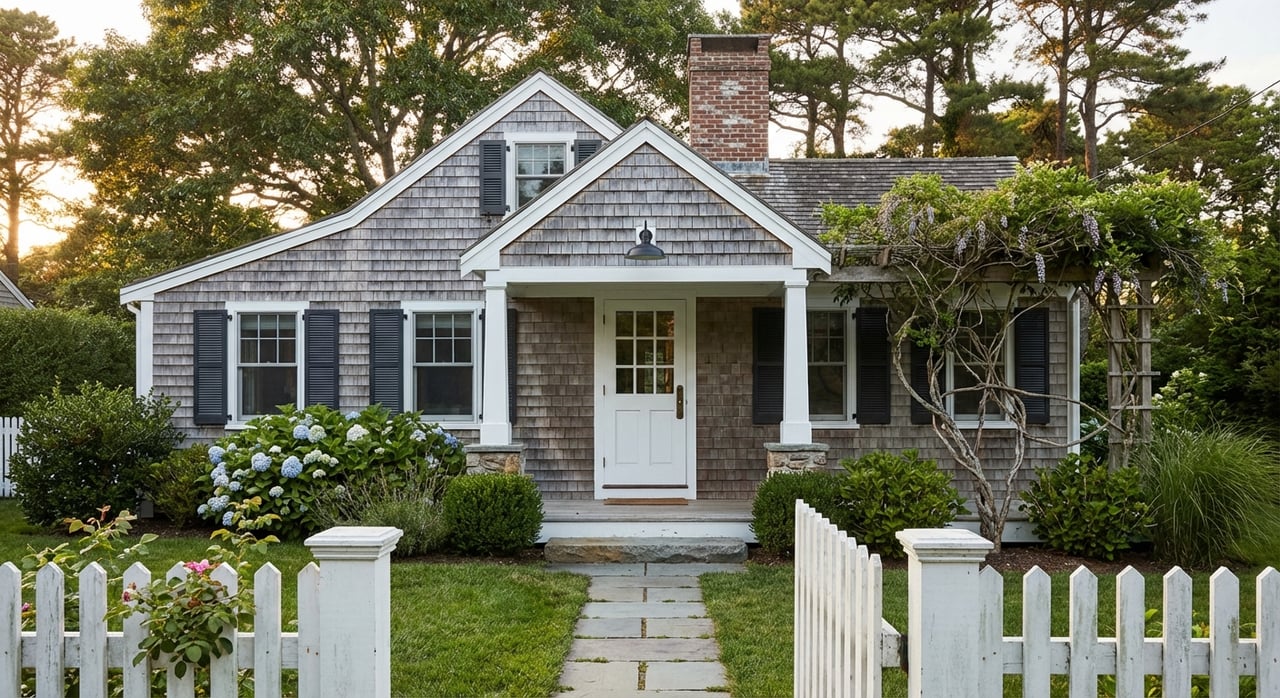
Is your East Hampton classic full of stories, cedar shingles, and sunlit porches ready for a new chapter? Selling a historic home here is both a privilege and a craft. You want to honor its character while meeting what today’s luxury buyers expect. In this guide, you’ll learn how to prepare, position, and present a historic East Hampton home so it resonates with the right audience and sells with confidence. Let’s dive in.
Why historic East Hampton homes stand out
East Hampton is known for its late‑19th and early‑20th‑century shingle‑style architecture. Many of these summer houses feature continuous shingled forms, generous porches, and graceful rooflines that feel timeless. The Village and Town include several documented districts where this character endures. If you own one of these properties, you are a steward of local heritage. That story, told well, can be a meaningful part of your marketing.
For a concise overview of the area’s architectural fabric, review the Village’s historic context and styles noted in the East Hampton Village summary. This helps you frame your home’s place in the bigger picture.
Read today’s buyer and market signals
Luxury activity on the East End has shown renewed momentum in 2025, with strong interest in well‑positioned properties. Historic homes that pair provenance with thoughtful updates tend to draw a cross‑section of buyers: design‑minded clients seeking authenticity, and luxury buyers who want turnkey comfort with soul.
Quality marketing that blends lifestyle imagery with a verified historic narrative performs especially well. Buyers respond to professional photography, aerial context, and an easy way to understand how the house lives day to day. Your goal is to help them feel the porch at golden hour and see the integrity of original details alongside modern systems.
Know the rules before you lift a paintbrush
Village historic districts and approvals
If your property is within the Village’s designated historic districts, exterior changes often require a Certificate of Appropriateness. That includes visible work like window alterations, roof material changes, additions, and some exterior finishes. Review the Village’s Historic Services guidance and consult staff early through the Historic Services office.
Early engagement prevents work‑stops and protects value. It also gives you clarity on what updates you can complete pre‑listing versus what you should disclose and price accordingly.
Town Architectural Review Board
In the Town of East Hampton, certain exterior projects and work within designated areas are subject to Architectural Review Board oversight. Confirm whether planned work needs review and build that timing into your calendar. Start with the Town’s ARB page to understand process and submittal basics.
Flood and coastal overlays
Waterfront and near‑shore properties may fall within mapped flood zones or coastal erosion areas that trigger additional permits and building standards. The Village’s Flood Damage Prevention rules connect permitting to FEMA flood maps and development requirements. If your home is in a mapped zone, be ready with accurate disclosures and, if available, elevation certificates. You can review local code context in the Village’s flood chapter.
Start with a preservation‑minded condition assessment
Begin 12 to 24 months before listing with a preservation‑oriented assessment. A pre‑listing inspection plus a historic structure survey by an architect versed in wood‑frame, shingle‑clad houses will help you prioritize work.
Focus first on water management and safety: roofing and flashing, gutters and drainage, exterior wood repair, foundation stability, and code‑safe mechanicals. The National Park Service’s guidance stresses repair over replacement and retaining original materials when feasible. Explore practical briefs and methods in the NPS index on Preservation by Topic.
Document what you complete. Buyers of historic homes value receipts, permits, and a roadmap that shows stewardship.
Make selective, sensitive upgrades buyers want
Kitchens, baths, and building systems
Choose upgrades that increase comfort without masking character. In kitchens, refresh appliances, counters, and lighting while respecting original massing and sightlines. In primary baths, improve fixtures, ventilation, and drainage. For HVAC and electrical, route new work discreetly and site mechanicals in ways that do not disrupt historic fabric.
For energy and sustainability, the NPS offers proven strategies for older buildings, from interior storm windows to insulation approaches that protect historic materials. Review their guidance on sustainability and resilience in historic buildings to plan upgrades that balance comfort and conservation.
Protect character‑defining features
Keep original mantels, plaster mouldings, stair parts, wood shingles, porches, and balustrades. If a feature must be altered, choose reversible methods and archive photos and notes. These details are why many buyers fall in love with historic homes. Integrity reads both in person and in photos, and it supports long‑term value.
Stage and photograph for story and scale
Professional presentation is not optional in the Hamptons luxury tier. Invest in architectural photography with crisp interior and exterior coverage, twilight shots for curb appeal, and drone imagery to show privacy, gardens, and proximity to water or village amenities.
Stage to highlight proportion and light. Keep a neutral palette that lets original floors, window casings, and built‑ins take the lead. Avoid period themes that can feel like a set. The goal is a lived‑in yet edited environment where buyers can project their own life while noticing the house’s best moments.
Build a provenance packet buyers can trust
Create a simple, beautifully organized packet that answers key questions quickly. Include:
- A one‑page history with dates of original construction and any documented alterations.
- Copies of relevant permits and inspection summaries.
- Maintenance and repair receipts, labeled by system or area.
- Measured floor plans and site plan.
- A checklist of recent upgrades with brand and contractor notes when available.
This preparation smooths due diligence and gives qualified buyers the confidence to move. It also supports appraisal conversations when comps are scarce.
Market across luxury and historic channels
Aim for a dual‑track approach. On one track, use premium luxury channels where high‑net‑worth buyers search. On the other, place your listing within specialty historic networks and regional preservation circles. Consider a quiet, invitation‑only phase for estate‑level properties to build interest while preserving privacy.
Your creative package should include editorial photography, a short film or walkthrough, a polished floor plan set, and narrative copy that leads with provenance and livability. For design‑minded buyers, strong visuals and a clear story can be the deciding factor.
Pricing, disclosures, and negotiation realities
Pricing a historic home in East Hampton requires both data and nuance. Authentic features can command a premium for the right buyer, while deferred maintenance, compliance requirements, and environmental overlays can temper pricing.
Disclose what you know. If your home is in a Village or Town historic district, note that clearly. If any exterior work took place without approvals, discuss with your agent how to address it before listing. For waterfront or near‑shore locations, share flood zone status and any elevation certificates up front. Buyers of historic homes often seek more documentation and will bring specialists to inspections, so being prepared saves time.
What to know about tax credits and easements
Federal rehabilitation tax credits are popular to ask about but are commonly misunderstood. The 20% Historic Rehabilitation Tax Credit generally applies to income‑producing certified historic structures, not to owner‑occupied primary residences. Learn the basics through NPS/SHPO resources and state program summaries like this overview of the federal rehabilitation credit, and consult a tax advisor for your specific case.
If long‑term protection is part of your legacy plan, you can explore a preservation easement. Local conservation groups sometimes accept easements that protect historic character. The Peconic Land Trust offers examples of easement projects on the East End. Any easement affects title and taxes, so discuss with counsel and your listing team before pursuing.
A 12–24 month roadmap to launch well
- Month 1–2: Confirm whether you are in a Village or Town historic district, and request guidance from Village Historic Services or the Town ARB. Map approvals and timelines.
- Month 2–4: Commission a pre‑listing inspection and a preservation‑oriented condition assessment. Prioritize weather‑tightness and life‑safety items.
- Month 4–8: Complete repairs that stop water and address structure. Start discreet system upgrades in kitchens, baths, HVAC, and electrical while protecting original fabric. Reference NPS briefs in planning.
- Month 6–9: Build your provenance packet: history, permits, receipts, floor plans, and a summary of updates with dates.
- Month 8–10: Stage key rooms. Schedule professional photography, twilight exteriors, aerials, and a virtual tour.
- Month 10–12: Final tune‑ups. Calibrate pricing with your agent based on current demand, recent luxury activity, and the condition and approvals of your property.
- Launch: Release a curated marketing package to both luxury and historic networks. Be prepared to share documentation quickly with qualified buyers.
Sharing the lifestyle without over‑promising
Buyers choose East Hampton for heritage and ease. Your marketing should show morning light on the porch, the rhythm of shingle and shadow, and the privacy buyers seek. Keep copy factual and measured. Use accurate dates, real materials, and verified anecdotes. Avoid promises about future approvals or tax benefits. Clarity builds trust, which sells historic homes.
A quick note on privacy and press
Select listings benefit from targeted media placement that tells a design‑forward story. Others sell best with quiet, private exposure. Decide early with your agent how public you want to be. With the right plan, you can balance reach, discretion, and speed.
Ready to position your East Hampton classic with care? Partner with a team that blends preservation sense, editorial presentation, and deep local relationships. Work with the CeeJack Team to bring your home’s next chapter to life.
FAQs
What makes East Hampton’s historic homes unique to buyers?
- Many feature authentic shingle‑style architecture and documented historic context, which combine character and provenance that design‑minded buyers prize.
Do I need approval to change exterior elements in the Village?
- If your home is in a designated Village historic district, visible exterior changes often require a Certificate of Appropriateness from Historic Services.
How do flood zones affect marketing a historic property?
- If mapped in a flood zone, disclose status early and be ready with elevation certificates and insurance context, guided by the Village’s flood prevention rules.
Can I claim federal tax credits for my owner‑occupied historic home?
- The 20% federal rehabilitation credit generally applies to income‑producing certified historic structures, not owner‑occupied primary residences; consult this program overview and your tax advisor.
How should I stage a historic home without losing its character?
- Use neutral, edited furnishings that highlight original features, professional photography, and a clear narrative so buyers see both the character and modern livability.