If you are selling a Sagaponack estate, presentation is not a finishing touch. It is part of the value story from the moment a buyer sees the first photo. In a market where buyers compare a small set of highly polished properties, thoughtful staging helps your home feel clear, intentional, and ready for immediate enjoyment. Here is how to stage a Sagaponack estate for today’s buyers and why the details matter here.
Why staging matters in Sagaponack
Sagaponack is a very specific market. The village spans 4.56 square miles, has about 350 year-round residents and more than 1,000 part-time residents, and is defined largely by single-family homes and agricultural land. That setting shapes what buyers notice first: land, quiet, views, and how a property sits within its surroundings.
The market backdrop also supports a high standard of presentation. In Q4 2025, Sagaponack’s median sales price was $9.5 million, with 9 closed sales, 19 listings, and 6.3 months of supply. Across the Hamptons, the luxury segment remained especially important, and by 1Q 2026 the share of sales above $5 million reached a record 21.2%.
At this level, buyers are not just buying square footage. They are comparing atmosphere, finish, flow, and readiness. Staging helps your estate compete on all four.
What today’s buyers expect
Today’s buyers often meet a property online before they ever book a showing. According to the 2025 Profile of Home Staging, 31% of buyers were more willing to walk through a home they first saw online, and 58% said buyers were disappointed when homes did not match the staged look they expected.
The same research shows why staging works. About 83% of buyers’ agents said staging made it easier for buyers to imagine the home as their future home. In a place like Sagaponack, where the likely buyer may be financially strong, experienced, and moving quickly, that emotional clarity matters.
This does not mean making your house feel generic. It means making it legible. Buyers should understand the scale, the lifestyle, and the beauty of the architecture within seconds.
Start with the land
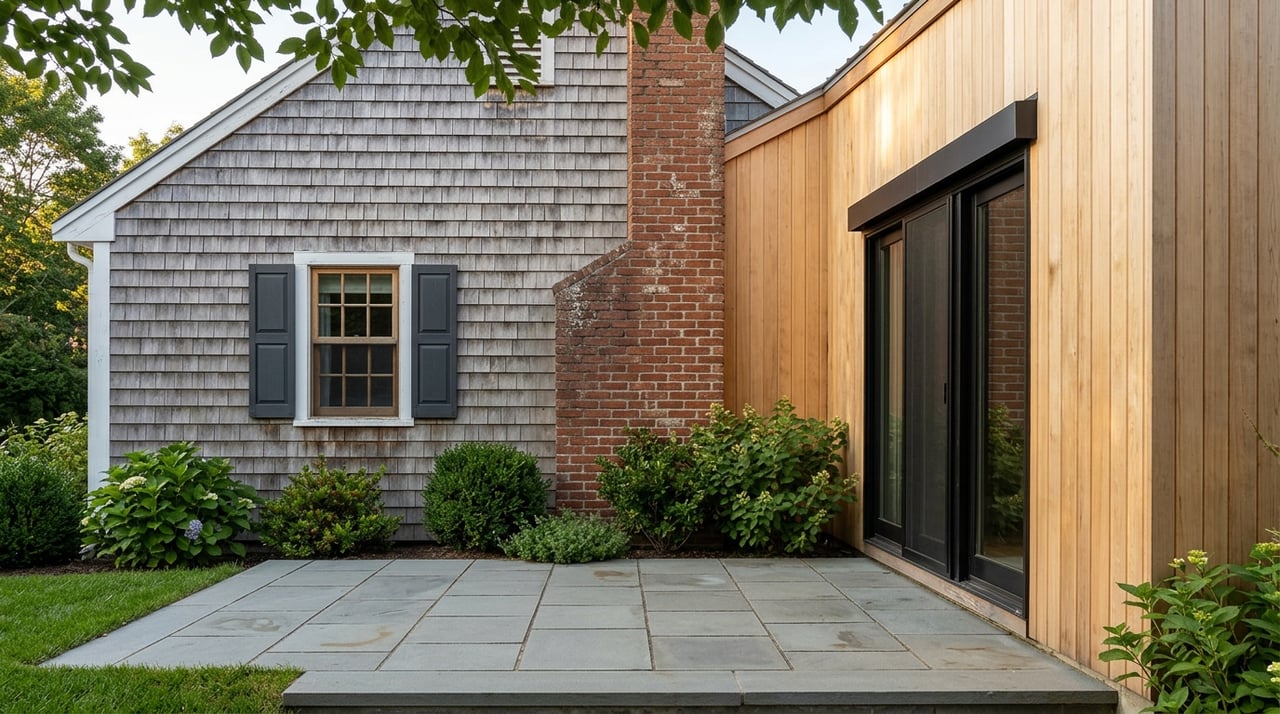
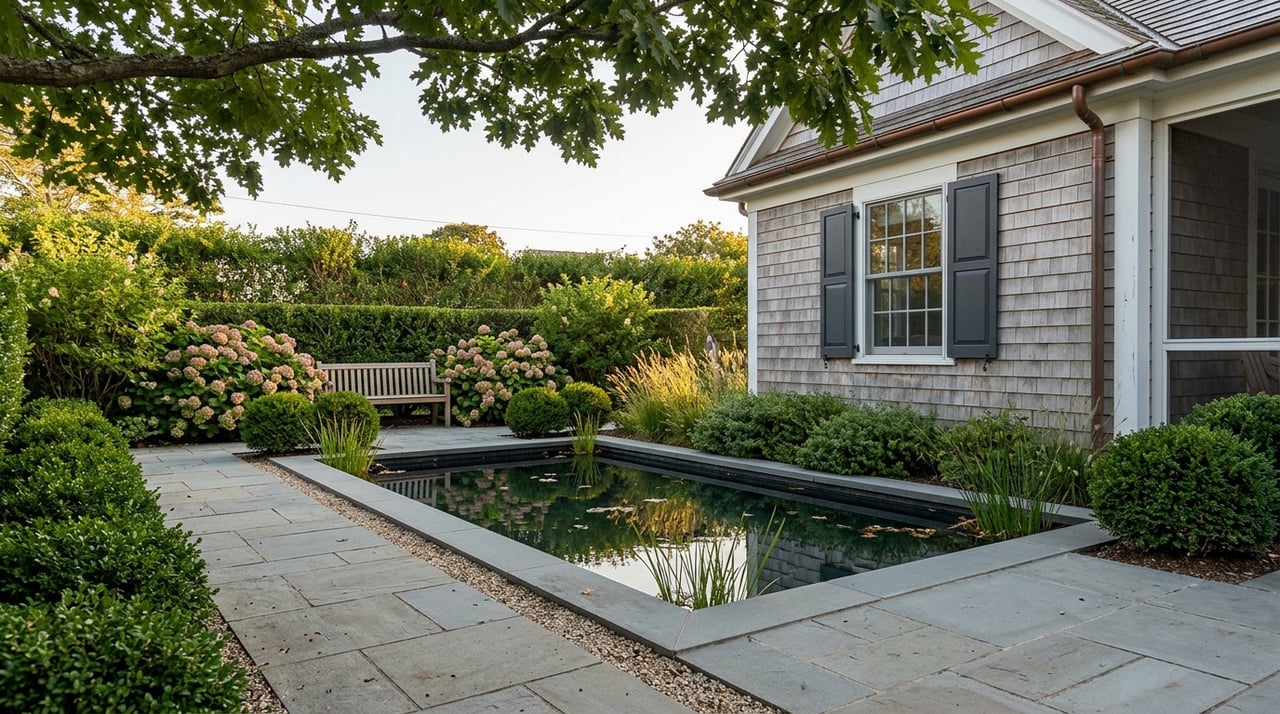
In Sagaponack, the grounds are part of the first impression and part of the sale. The village’s identity is closely tied to open space, agriculture, easements, and scenic views, so the exterior should feel calm, maintained, and respectful of sightlines.
That usually means editing rather than adding. Trim hedges, edge the lawn, clear the drive, refresh gravel if needed, and keep planting beds neat. The goal is to reveal the estate, not bury it behind heavy screening or visual clutter.
Curb appeal has practical value too. In NAR’s outdoor-features report, 97% of REALTORS® said curb appeal is important to attracting a buyer, and landscape maintenance carried an estimated 104% cost recovery. For a Sagaponack seller, routine grounds care is one of the clearest ways to protect value.
Protect views and arrival sequence
A Sagaponack estate should feel composed from the road to the front door. Buyers respond to a quiet arrival experience, especially in a village where open land and long views are part of the setting.
Look closely at what blocks key sightlines. If hedges, planters, parked vehicles, or oversized outdoor furniture interrupt the view of the house, farmland, or preserved open space, simplify them. Clean lines and open visual corridors often feel more luxurious than more layers.
Keep exterior elements discreet
Outdoor equipment should not distract from the property. Local code requires generators, air-conditioning equipment, compressors, pool equipment, and similar noise-producing equipment to be enclosed to reduce noise, and exterior loudspeakers are prohibited.
For staging purposes, that means screening should feel tidy and intentional. Mechanical areas, pool gear, and service zones should disappear into the landscape as much as possible. Buyers should experience quiet and ease, not the infrastructure behind it.
Stage the rooms that matter most
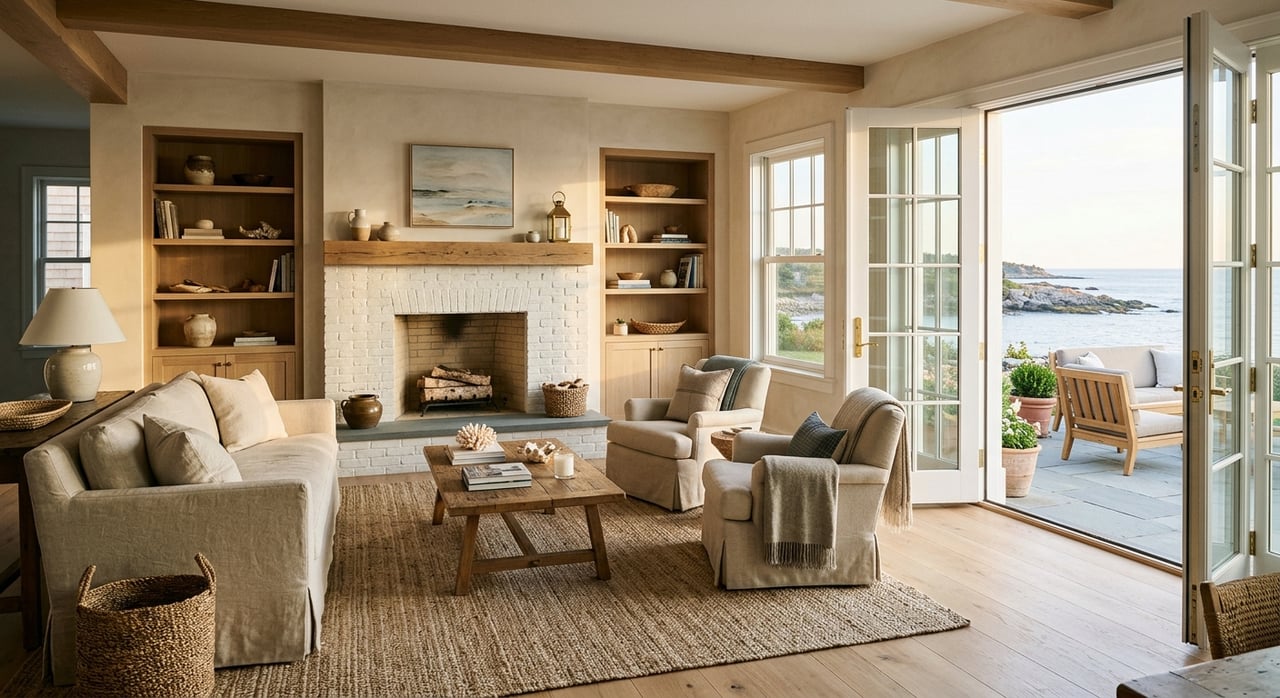
Not every room needs the same level of emphasis. The 2025 staging data points to the living room, primary bedroom, and kitchen as the most important spaces to stage. In a Sagaponack estate, those rooms should carry the strongest visual story.
Focus first on how each room reads in photos and in person. Large homes can feel either grand or confusing depending on scale and layout. The right staging helps buyers understand volume, light, and flow without feeling overwhelmed.
Let architecture lead
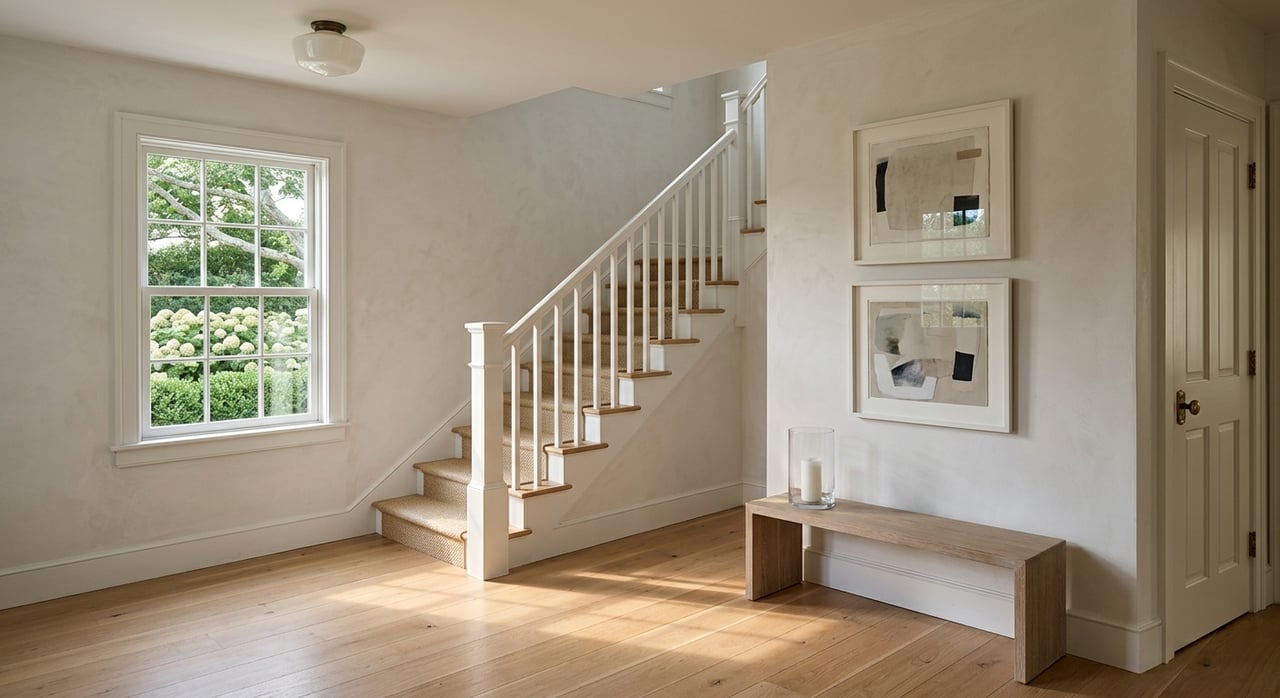
In estate homes, architecture should be the lead character and furnishings should support it. Use pieces that are large enough to suit the room, but keep the layout edited so windows, ceiling height, fireplace walls, stair lines, and long interior views remain visible.
This is especially important in great rooms and open-plan living areas. Too little furniture can make a room feel cold or hard to read. Too much can hide the very features buyers are paying for.
Prioritize the primary suite
The primary suite should feel calm, spacious, and resolved. Buyers want to understand where they would begin and end the day, so the room should read as restful and uncluttered.
Keep the palette layered but restrained. Soft texture, quality bedding, and a small seating moment often do more than over-decorating. If the suite has a strong view, orient the room to frame it.
Refine the kitchen
In luxury homes, the kitchen is both a working space and a social one. Clear counters, simplify styling, and leave only a few purposeful objects in view. Think sculptural fruit, one or two cookbooks, or a single floral element rather than a full spread of accessories.
If the kitchen opens to dining or outdoor spaces, stage those transitions clearly. Buyers should be able to imagine coffee in the morning, dinner with guests, and easy movement between spaces.
Use color and art with confidence
Neutral no longer has to mean flat. Recent staging trends point toward richer color, stronger art, and more texture, but the key is restraint.
In a Sagaponack estate, a few well-chosen statements usually work better than filling every wall or corner. Strong art can help define scale, while textured furniture and layered materials add warmth to large rooms. The result should feel curated, not crowded.
This approach suits the local buyer profile. Design-minded buyers tend to respond to homes with visual intent, especially when the styling complements the architecture instead of competing with it.
Treat outdoor spaces like real rooms
Outdoor living is no longer secondary. Buyers increasingly value exterior spaces that function as purposeful rooms, especially around lounging, dining, and gathering.
Pool terraces, patios, guesthouse seating areas, and lawn lounges should each have a clear use. A pair of chaises, a shaded dining setup, or a firepit conversation area can help buyers understand the rhythm of the property without overfilling it.
Stage amenities with restraint
If the estate includes courts or other activity areas, present them elegantly. In Sagaponack, local rules around noise and screening reinforce the importance of discretion outdoors.
That means amenities should feel polished and compatible with the property, not loud or over-programmed. Keep the styling simple and let the quality of the setting carry the story.
Do not ignore guest spaces and outbuildings
Vacant secondary spaces often photograph poorly, even when they are valuable parts of the estate. Guest suites, pool houses, studio spaces, and outbuildings should not feel forgotten if they will appear in listing photography or video.
That does not always require full furnishing. A bed, a desk, a sitting area, or a simple dining setup may be enough to show purpose. The point is to help buyers understand how the space lives.
Build a clear story around the property
The strongest Sagaponack staging usually supports a larger story. In this village, that story is often about land, privacy, continuity, and stewardship rather than sheer excess.
Your staging should reinforce that message at every turn. Reveal the scale of the grounds. Simplify the architecture. Protect the views. Make the house feel ready for immediate use.
When those elements line up, the property feels more than expensive. It feels inevitable, which is exactly what strong luxury presentation should do.
If you are preparing to sell in Sagaponack, thoughtful staging can sharpen every part of your launch, from photography and video to private showings and buyer memory. For a tailored, design-forward strategy grounded in the East End market, connect with the CeeJack Team.
FAQs
What rooms should you stage first in a Sagaponack estate?
- Start with the living room or great room, primary bedroom, and kitchen, since staging research shows these are the highest-impact spaces for buyers.
Why is exterior staging so important for a Sagaponack home?
- Sagaponack buyers often respond strongly to land, views, quiet, and arrival experience, so clean landscaping and open sightlines help the property show its full value.
Should a Sagaponack luxury home use bold decor or neutral decor?
- A balanced approach tends to work best: clean, edited rooms with texture, a few strong art pieces, and enough warmth to feel refined rather than sterile.
Do outdoor spaces need to be staged at a Sagaponack estate?
- Yes, outdoor areas should be presented as functional living spaces, such as dining, lounging, or gathering zones, because buyers increasingly view them as extensions of the home.
Is full staging necessary for every room in a large estate?
- No, but every space shown in photography or video should have a clear purpose so buyers can quickly understand how the home lives.