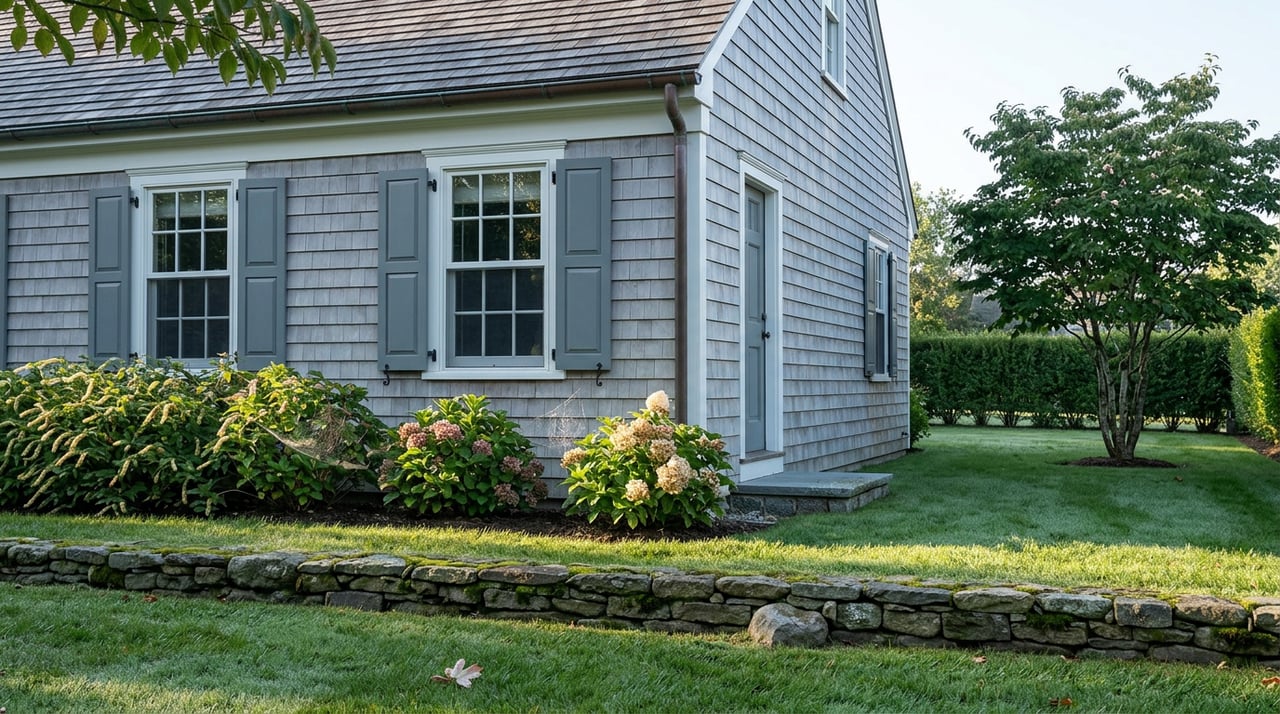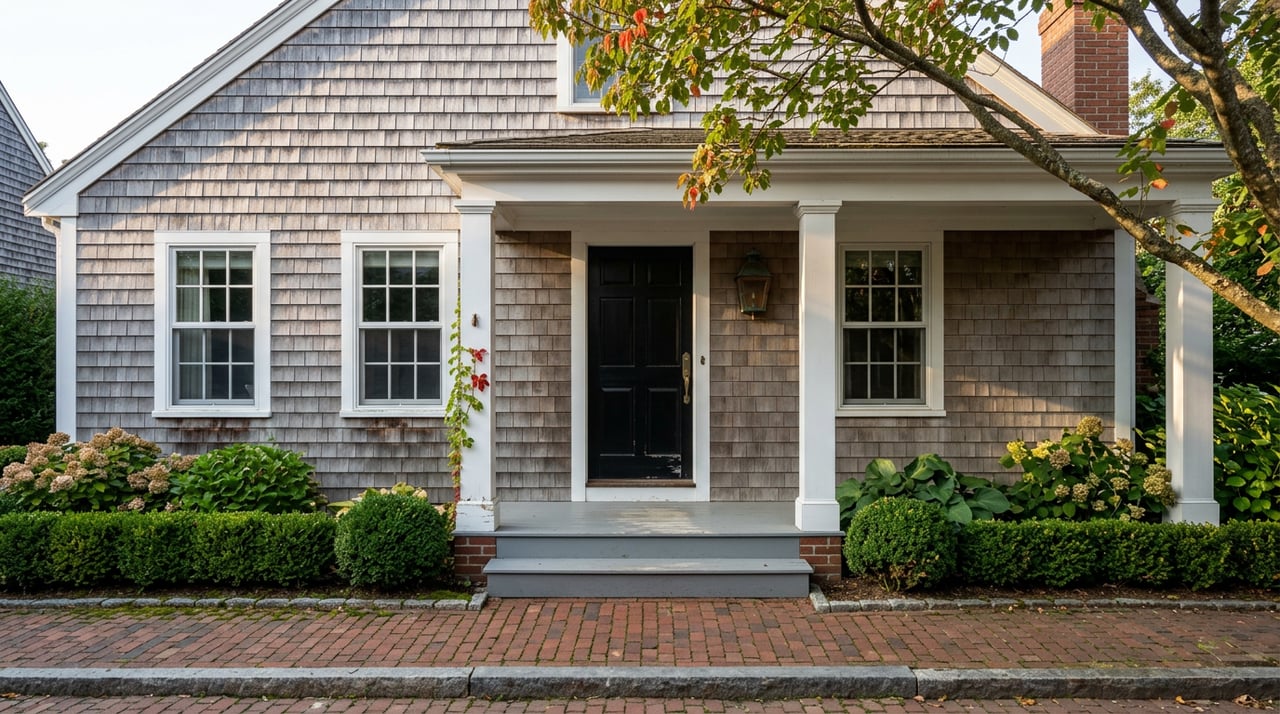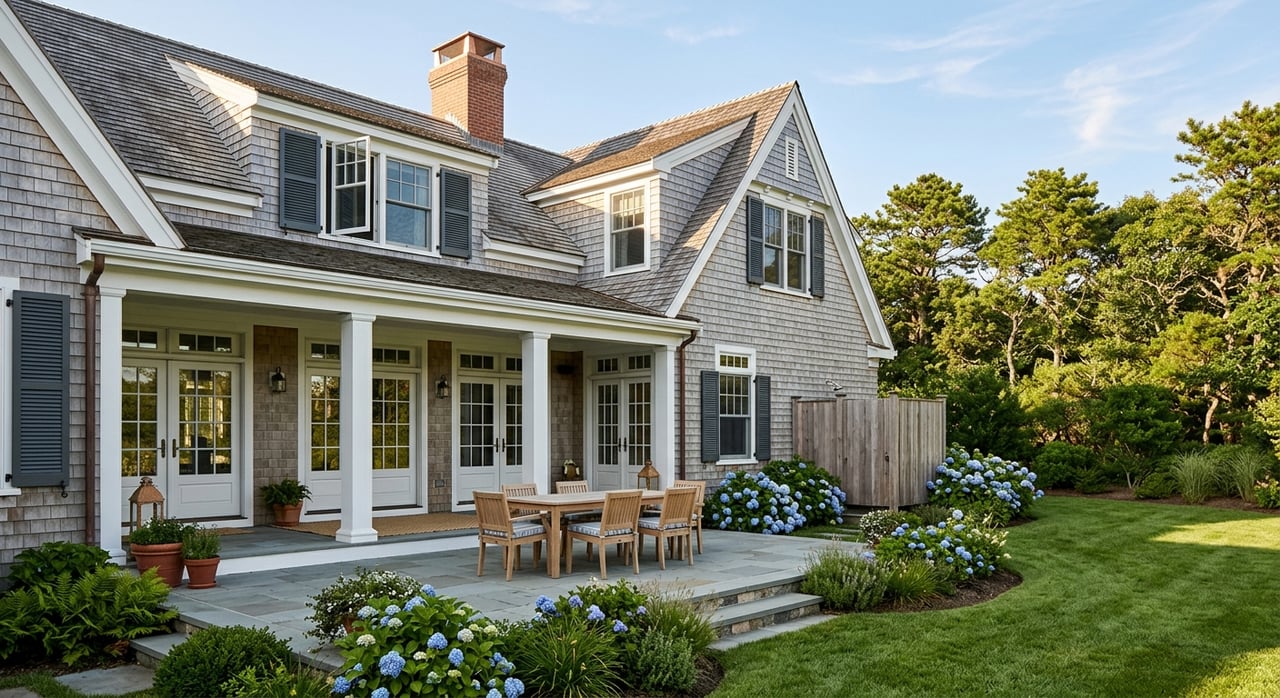
If you are thinking about buying in Montauk for seasonal rental income, the appeal is easy to see. This is a market shaped by beaches, surf, fishing, trails, and destination travel, which gives it a natural rhythm that can suit a well-positioned rental property. The key is to pair the right home with the right guest, understand the local rules early, and plan for the realities of coastal ownership before you go live. Let’s dive in.
Why Montauk suits seasonal rentals
Montauk has the ingredients that often support a seasonal rental strategy. It is widely known as a getaway destination with beaches, oceanfront lodging, fishing, surfing, paddling, seafood, nature trails, weddings, and seasonal events that bring visitors for more than one kind of trip.
That broad appeal matters because it can widen your potential guest base. Instead of relying only on midsummer beach travelers, you may also attract surfers, anglers, couples, boaters, and visitors coming for events or a short coastal escape.
State park destinations add to that draw. Montauk Point, Camp Hero, and Hither Hills all reinforce the area’s outdoor identity with beach access and year-round recreation such as hiking, fishing, surfing, birdwatching, and camping.
Understand Montauk’s seasonal demand
If you are evaluating income potential, seasonality should be part of your first pass. Average highs reach 64°F in May, 73°F in June, 79°F in July and August, 72°F in September, and 63°F in October, which points to a strong summer season with meaningful shoulder-season activity.
That shoulder season can matter more than many buyers expect. Fall crowds tend to thin while conditions can remain fair into October, which may support bookings from guests who want a quieter stay centered on surf, fishing, outdoor recreation, or weekend events.
Montauk’s event calendar also helps explain the shape of demand. Summer and early fall activity includes a farmers market through the season into early October, a May music festival, a June triathlon described as a season opener, and the June Blessing of the Fleet.
Match the property to the guest
One of the most important investment decisions is not just where you buy, but what you buy. In Montauk, the strongest fit is often a detached house or two-family home that can be presented as a turnkey beach retreat.
East Hampton’s rental registry chapter includes single-family houses, two-family houses, and apartments in its definition of rental property. It excludes condominiums and residential cooperatives from that chapter’s definition, which means ownership structure deserves careful review before you commit.
That is especially important if a property is subject to HOA or building rules. If you are considering anything other than a detached home, it is wise to confirm how the ownership structure and local rules align with your intended rental use.
Guest profiles worth considering
Montauk is not a one-note rental market. The destination profile supports a range of likely guests, and your home should speak clearly to at least one of them.
You might be targeting:
- Summer beach vacationers who want an easy coastal home base
- Surf-oriented visitors looking for access and gear-friendly layouts
- Anglers and boaters drawn to harbor and water access
- Couples seeking a short seasonal escape
- Guests visiting for weddings, festivals, or outdoor events
Ditch Plains is specifically identified as a surfing destination, which helps support surf-focused positioning as a practical niche. A home that handles boards, wet gear, sandy returns, and simple outdoor rinse-off routines may be especially well aligned with that kind of guest.
Presentation can shape performance
In a destination like Montauk, guests are often booking a lifestyle as much as a place to sleep. That makes presentation part of the investment strategy, not just a finishing touch.
A strong seasonal rental usually feels easy to arrive at and easy to enjoy. Clean interiors, durable materials, uncluttered rooms, and outdoor spaces that support beach living can help create that low-friction experience.
For many owners, practical design choices matter as much as visual ones. Systems and finishes that can handle sand, wet towels, outdoor gear, and frequent turnovers are often better suited to this kind of use than delicate or overly complicated setups.
Prioritize compliance early
Before you market a Montauk seasonal rental, make sure you understand the local registration path. In the Town of East Hampton, registration is required before a property is rented or occupied by someone other than the owner or immediate family.
The town also requires ads for residential rentals outside incorporated villages to include the rental registration number. That means compliance is not something to tackle after marketing begins. It needs to be part of your launch plan from the start.
The registration package calls for key property and ownership details, including:
- Owner and agent contact information
- Property address and tax map designation
- Tenancy information
- Bedroom count
- Current certificate of occupancy
- Notarized inspection checklist
If tenancy or bedroom count changes, updates are required. For an investor or second-home owner, this is one more reason to treat setup as a structured process rather than an informal side project.
Know the seasonal-use lease rules
New York General Obligations Law § 7-108 adds another layer for seasonal-use leases. A seasonal-use lease must expressly state that the unit is registered, limit occupancy to seasonal use of no more than 120 days, identify a primary residence, and be tied to a local or county seasonal-use registry.
For buyers comparing properties, this reinforces a simple point: rental use is not just about desirability. It is also about whether the property can operate cleanly within the town and state framework.
Coastal risk planning matters
Montauk’s setting is part of its value, but it also creates real planning considerations. East Hampton’s code ties local regulation to a Flood Hazard Overlay District and FEMA-based special flood hazard standards, including VE zones.
For a coastal property, flood mapping should be part of your diligence. So should an insurance review and reserve planning, especially if you are evaluating long-term carrying costs and the resilience of the investment.
This is where a beautiful ocean-close purchase can require a more disciplined underwriting approach. You want a clear view of both upside and exposure before you launch a seasonal rental strategy.
Budget beyond the purchase price
Many seasonal rental plans look attractive at a high level, but the details shape the outcome. In Montauk, it is smart to build your operating budget around the costs that come with frequent guest use and coastal maintenance.
Your budget should account for:
- Vacancy periods
- Turnover and cleaning
- Landscaping
- Winterization
- Insurance
- Ongoing reserves
You will also want to confirm tax treatment and operating assumptions with local professionals before listing the property. That step can help you avoid building a strategy around numbers that do not hold up in practice.
A practical way to evaluate a Montauk rental
If you are deciding whether to buy, hold, or reposition a property for seasonal income, it helps to keep the sequence simple. Start with the home itself, then move to compliance, then test the financial picture.
A practical evaluation process looks like this:
- Identify the likely guest profile for the property
- Confirm the ownership structure and rental fit
- Review the town registration requirements
- Understand the seasonal-use lease rules
- Assess flood exposure, insurance, and reserve needs
- Review taxes and operating assumptions with local professionals
That order can save time and reduce expensive surprises. It also helps you focus on properties that not only photograph well, but function well as real seasonal assets.
Where local guidance adds value
In a market like Montauk, the difference between a promising idea and a strong investment often comes down to fit. The right house in the right setting, presented well and aligned with the rules, has a very different outlook than a property that looks appealing but is mismatched to guest demand or operational realities.
That is why local context matters so much. Understanding how buyers, owners, and seasonal guests actually use Montauk can help you make more confident decisions about acquisition, positioning, and presentation.
If you are exploring Montauk as a seasonal rental investment, the right guidance can help you evaluate the opportunity with both clarity and taste. Connect with the CeeJack Team to discuss properties, positioning, and next steps across the East End.
FAQs
What makes Montauk attractive for a seasonal rental investment?
- Montauk’s appeal is tied to beaches, surfing, fishing, paddling, trails, weddings, festivals, and destination travel, which supports a classic seasonal rental pattern with summer peaks and a shoulder season into fall.
What property types fit Montauk seasonal rental use best?
- Detached single-family homes and two-family homes are often the clearest fit because East Hampton’s rental registry chapter includes those property types, while excluding condominiums and residential cooperatives from that chapter’s definition.
What kind of guests typically book seasonal rentals in Montauk?
- Likely guests include summer beach visitors, surfers, anglers, boaters, couples, and people visiting for weddings or seasonal events.
What does East Hampton require before renting out a Montauk property?
- The Town of East Hampton requires rental registration before a property is rented or occupied by someone other than the owner or immediate family, and rental ads outside incorporated villages must include the rental registration number.
What should a seasonal-use lease for a Montauk rental include?
- Under New York law, a seasonal-use lease must state that the unit is registered, limit occupancy to seasonal use of no more than 120 days, identify a primary residence, and connect to a local or county seasonal-use registry.
Why is flood planning important for Montauk rental properties?
- East Hampton’s code includes flood hazard standards tied to FEMA-based special flood hazard areas, including VE zones, so flood mapping, insurance review, and reserve planning are important parts of evaluating a coastal property.
What costs should you budget for with a Montauk seasonal rental?
- A realistic budget should include vacancy, turnover, cleaning, landscaping, winterization, insurance, and reserve planning, along with a review of tax treatment and operating assumptions with local professionals.