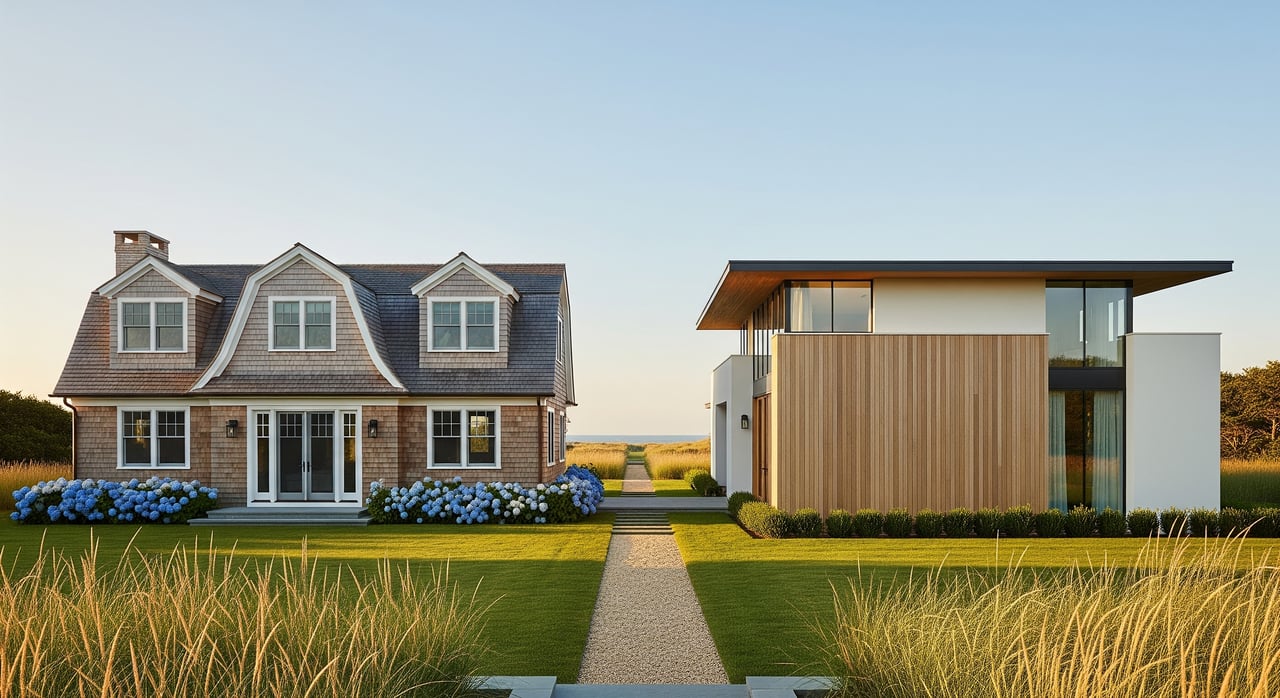
If you love Sagaponack, you already know the architecture is part of the magic. From weathered cedar shingles to glass pavilions and reimagined farmhouses, each style promises a different way to live with light, landscape, and the ocean. You want a home that fits your taste and holds value over time. In this guide, you’ll learn how to spot the main styles, what features drive resale, and what local rules can shape your plans. Let’s dive in.
Why Sagaponack looks the way it does
Sagaponack blends oceanfront lots, preserved farmland, and low-density neighborhoods. That mix produces classic coastal houses, large modern estates, and refined farmstead conversions. Buyers often prize privacy, view lines, and mature landscaping as much as interior finishes.
This setting shapes design choices. Larger lots support sprawling footprints and separate guest structures. Water views reward smart window placement and outdoor rooms. Inland, agrarian forms feel authentic against farm fields and stone walls, and that sense of place often adds value.
Shingle Style essentials
How to spot it
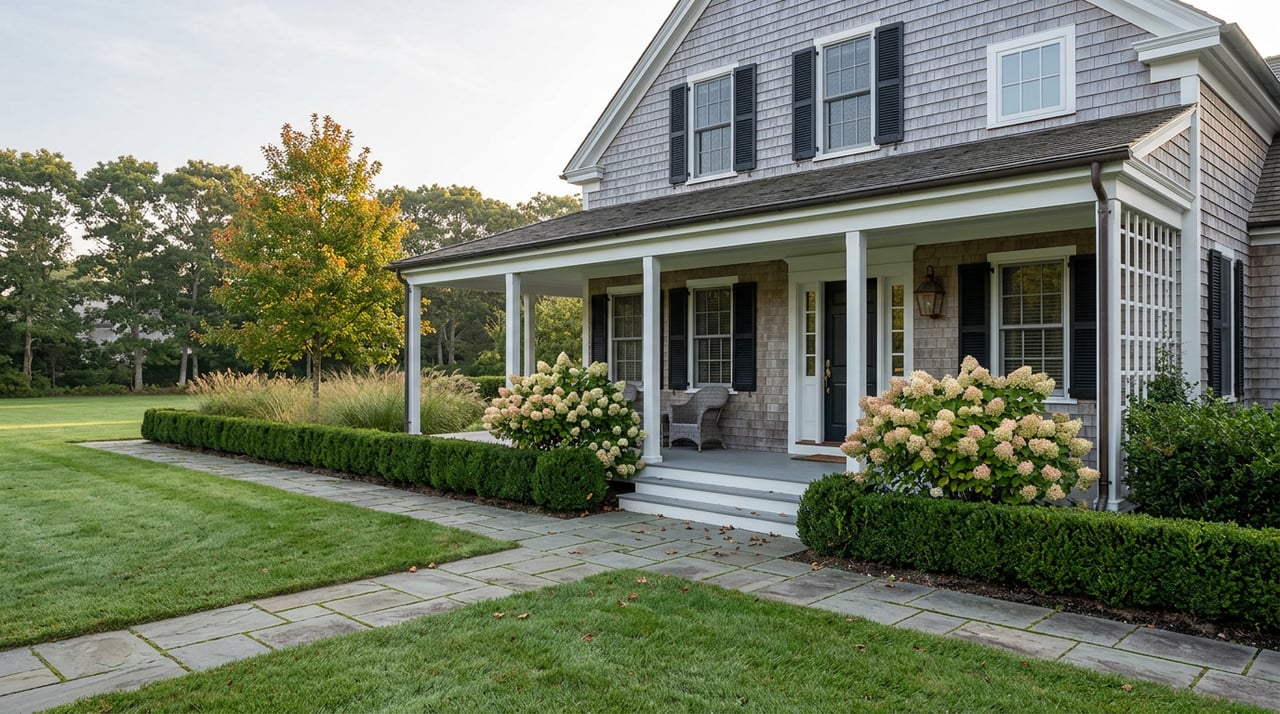
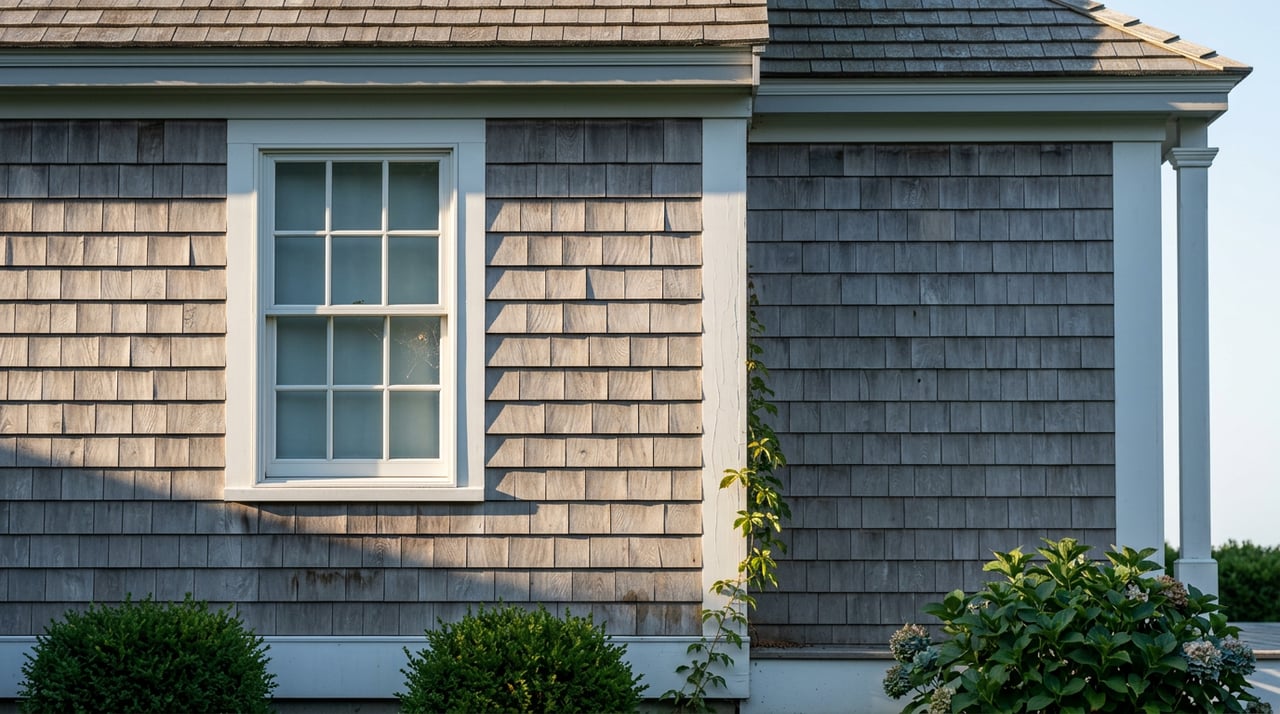
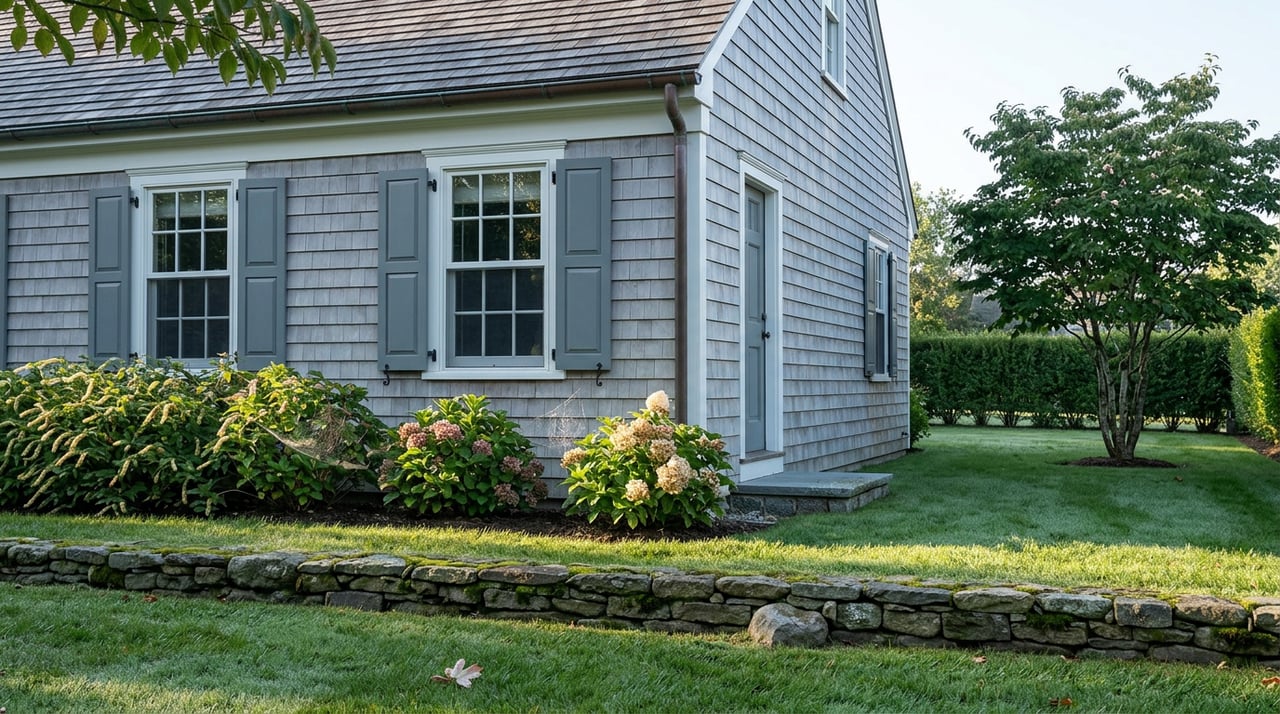
- Continuous cedar shingles wrapping walls and roof.
- Asymmetrical massing with gambrel or cross-gable roofs, eaves, and dormers.
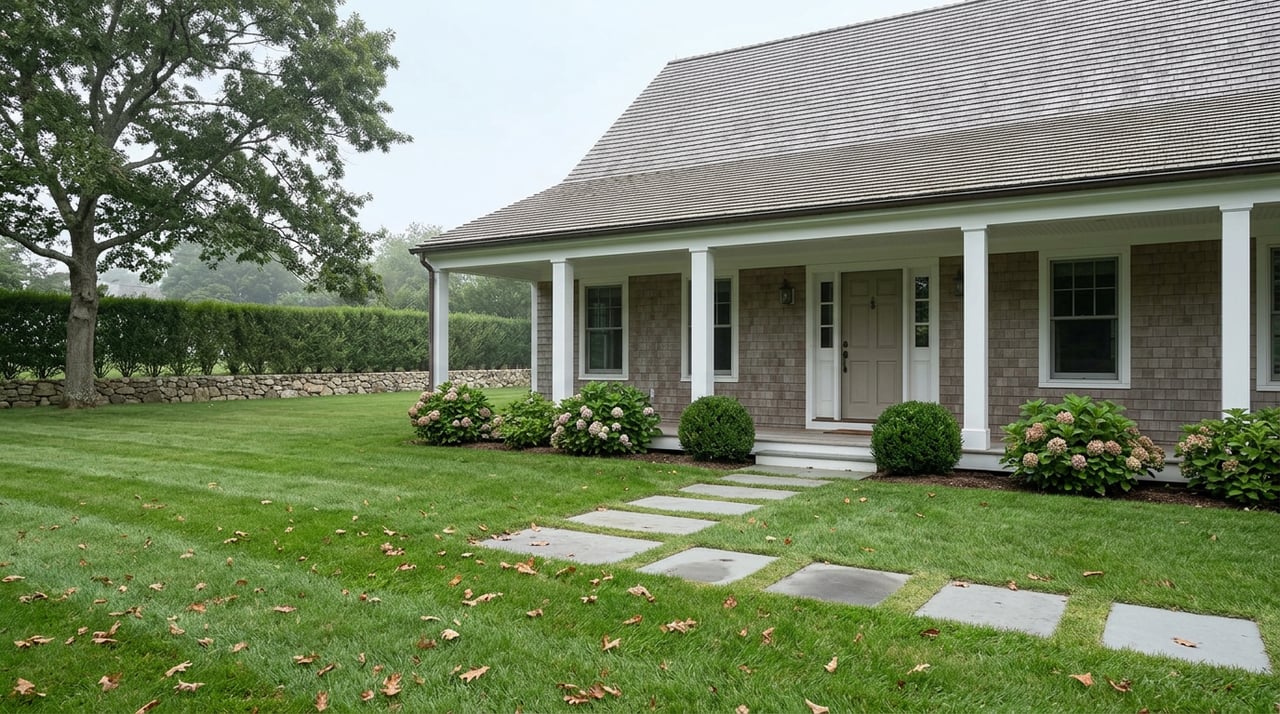
- Broad porches and verandas that extend living outdoors.
- Multi-paned windows and simple classical trim.
- Stone foundations or chimneys that anchor the form.
Local twists
On estate lots, Sagaponack Shingle homes scale up while staying faithful to the language. You often see “Shingle Modern” pair a traditional exterior with open-plan interiors and larger glass on the view side. The best examples feel cohesive from gate to pool house.
Maintenance notes
Cedar shingles weather beautifully but need care. Plan for periodic inspections, selective shingle replacement, and careful flashing at rooflines and penetrations. Salt and wind can speed wear, so rot-resistant species, stainless fasteners, and quality windows are worth it.
What boosts value
- Authentic massing and materials that read as true Shingle Style.
- Porches and shaded outdoor rooms that expand living without glare.
- Views and privacy balanced with traditional character.
- Thoughtful updates that bring energy efficiency and modern systems while preserving the exterior story.
Modern glass-forward homes
Hallmarks
- Large spans of floor-to-ceiling glass and minimal ornament.
- Clean, rectilinear forms with flat or very low-slope roofs.
- Materials like steel, concrete, stone, and refined stucco or metal panels.
- Open plans with sliding or folding walls to merge inside and out.
Local adaptations
Contemporary homes here orient to south-facing yards and beach vistas. Privacy matters, so designers often use hedging, angled facades, or specialty glass. Expect high-end systems, structural glazing, long-span beams, and integrated smart-home controls.
Maintenance and performance
High-performance glazing is essential for comfort and energy control. Coastal conditions can challenge window seals and finishes if the components are not top tier. Flat roofs demand meticulous drainage and wind-uplift detailing. Plan for professional glass cleaning and scheduled maintenance.
Value drivers
- Unobstructed sightlines to ocean or open land, framed by terraces and pools.
- Premium glazing and structural detailing that prove coastal readiness.
- Landscape design that screens neighbors without breaking the architectural clarity.
Farmhouse and agrarian forms
Visual cues
- Simple gable roofs and straightforward massing.
- Board-and-batten or clapboard siding, sometimes with metal roofing.
- Post-and-beam elements, wide plank floors, and farmhouse kitchens.
- Porches and honest materials that feel tied to the land.
Local variations
You will find updated historic farmhouses with refined interiors and barn conversions that keep the soul of the structure. New builds often echo agrarian simplicity at a larger scale, with generous windows and modern amenities. Paddocks, specimen trees, and restored stone walls complete the setting.
Maintenance notes
Older structures may need structural reinforcement, insulation upgrades, and new mechanicals. Wood siding needs routine care much like shingles. Metal roofs can be durable when detailed for coastal wind.
What boosts value
- Authenticity plus comfort: preserved details with modern systems.
- Converted outbuildings used as guest spaces or studios.
- Landscape character that connects the home to agricultural history.
Rules and realities that shape projects
Zoning and coverage
Village and Town rules control setbacks, lot coverage, and height. Before you add a wing or a pool house, check permit needs with the Village of Sagaponack or the Town of Southampton, depending on location.
Flood and coastal zones
Many properties fall within FEMA flood zones or state coastal areas. That can mean elevating the lowest floor and utilities, using flood vents, and carrying flood insurance if required. Dune protection and shoreline work are tightly regulated.
Septic and water
Most homes rely on individual septic systems. Increasing bedroom count can trigger a required septic upgrade. Confirm the permitted bedroom count and system capacity early in due diligence.
Historic and neighborhood review
Some properties sit within historic districts or under design review. Even outside formal overlays, community input can affect approvals and timelines. Build time for this into your plan.
Codes, storms, and insurance
Coastal construction often needs hurricane-rated glazing, wind-resistant roofs, and elevated mechanicals. These choices can also improve insurability and help manage long-term costs.
Environmental and farmland limits
Wetlands and buffer zones constrain where you can build or add a pool. Properties tied to preserved farmland may carry special use restrictions. A site plan review will clarify the buildable envelope.
Buyer and seller playbook
Smarter search terms
- Shingle Style: “cedar shingles,” “gambrel,” “veranda,” “historic.”
- Contemporary: “architect-designed,” “floor-to-ceiling glass,” “open plan.”
- Farmhouse: “post-and-beam,” “board-and-batten,” “converted barn.”
- Add filters like “ocean view,” “guest house,” “pool,” “acreage,” and “private beach access.”
What to verify in inspection
- Exterior materials and flashing details, roof condition, and window seals.
- Foundation, elevation, flood vents, and location of mechanicals.
- Septic system capacity and the permitted bedroom count.
- Any wetlands or coastal buffers, and past permits for shoreline or dune work.
- For modern homes, engineering for long spans, glass specs, and roof drainage design.
Renovations that pay off
- Shingle and Farmhouse: keep the exterior character intact while upgrading systems, insulation, and windows. Restore porches and trim where feasible.
- Contemporary: invest in coastal-rated glazing, shading strategies, and landscape privacy planning. Prioritize envelope durability and drainage.
- All styles: pools, terraces, outdoor kitchens, and tasteful lighting reliably raise appeal.
Budget and risk tips
Coastal-rated materials and systems cost more upfront but age better and can support insurance goals. If a property sits in a flood zone, the cost to elevate or rework the lower level can be significant, so include that in early feasibility.
Choosing the right fit for you
If you value heritage and texture, a Shingle home with verandas and wind-softened cedar may feel right. If your priority is sunlight, views, and artful minimalism, a glass-forward contemporary can deliver a gallery-like experience that opens to the landscape. If you crave warmth and a sense of history, a farmhouse or barn conversion connects daily life to Sagaponack’s rural roots.
The best choice balances style with lot, privacy, and outdoor living. When design is coherent and the property feels grounded in its setting, value tends to follow. If you want a curated shortlist or advice on what to update before you list, reach out to the CeeJack Team. We pair local knowledge with a design-first point of view to help you buy or sell with confidence.
FAQs
Does home style affect resale in Sagaponack?
- Yes. Style influences value when it aligns with views, privacy, and a coherent design. Authentic Shingle, well-executed contemporary, and character-rich farmhouse properties all perform when paired with strong lots and outdoor amenities.
Are glass-walled modern homes practical near the ocean?
- They can be when built with coastal-rated glazing, robust wind and drainage detailing, and planned privacy landscaping. Expect higher maintenance if components are not top tier.
What renovations are safest for resale in Sagaponack?
- Expand usable outdoor space, improve view access, update mechanicals and septic to code, and preserve or sensitively refresh exterior character. These updates tend to be well received.
Do I need special permits to convert a barn or build new?
- Yes. Conversions and new builds require permits and must meet zoning, septic, coastal, and possibly historic or design review requirements. Plan for approvals in your timeline.
How should I factor flood risk into design and cost?
- Check FEMA maps early and confirm required elevations. Plan for elevated utilities, flood-resistant materials at lower levels, and an insurance strategy. Elevation can affect design and budget.