If you want your Southampton home to command attention as a seasonal rental, beautiful decor alone will not get you there. In this market, the homes that stand out are the ones that are legally ready, thoughtfully equipped, and presented with real care from the first photo to the final check-in note. When you understand how local rules, guest expectations, and design work together, you can turn a summer house into a more polished and protected rental asset. Let’s dive in.
Why Southampton supports premium rentals
Southampton sits within a Suffolk County tourism economy with serious scale. According to the county’s 2024 to 2025 annual report, Suffolk saw $4.3 billion in direct tourism spending in 2023, including $1 billion in lodging spending, with 40,658 tourism-related local jobs. The same report notes that about 20% of county lodging rooms are seasonal, largely concentrated on the East End.
That matters if you are thinking about a high-end seasonal rental strategy. It suggests real demand for well-positioned homes, especially those that feel curated, turnkey, and easy to enjoy for longer stays. In Southampton, the opportunity is strong, but it comes with rules that should shape your plan from the start.
Start with Southampton rental rules
Before you think about styling, photos, or pricing, focus on what the Town of Southampton allows. Town rules say residential dwellings may be used by families on a seasonal basis or longer, but daily or weekly transient occupancy is prohibited. The Town FAQ states the current minimum rental stay is 14 days.
A rental permit must be in place before the rental term begins. The permit is valid for two years and does not transfer to a new owner if the property changes hands. Just as important, the Town says you cannot advertise, list, or show a home for rent without a valid rental permit.
For properties outside incorporated villages, the rental permit number must appear in advertisements. If a home is inside an incorporated village, separate local rules may also need to be confirmed. This is one reason a strong seasonal-rental strategy in Southampton begins with compliance, not marketing.
Build the design brief around compliance
In Southampton, presentation is tied closely to permitting. The Town’s rental permit application requires floor plans for each level, including the basement, and those plans must show bedroom sizes and the location of CO and smoke detectors. The application also calls for a current survey or site plan showing structures, walkways, driveways, and parking layout, along with certificates of occupancy and compliance for structures on the property.
That means your design decisions should support how the home functions on paper as well as in person. A finished lower level may look appealing in photos, but if a sleeping area does not meet proper egress requirements, it can create a real problem. In this market, a premier rental is one that feels seamless because the practical details have already been handled.
Pool safety shapes the guest experience
If your property has a pool, Southampton’s checklist is especially specific. Doors that lead directly to the pool should have audible alarms, pool gates must be self-closing and self-latching, the gate must swing away from the pool, and the enclosure must be permanent and at least four feet high. Temporary pool barriers are not allowed.
These are not background details. They affect how guests move through the home, how outdoor areas are laid out, and how comfortably you can market the property once permit review begins. Good design in Southampton should make safety features feel integrated rather than added on.
Exterior order matters too
The Town’s checklist also points to the importance of upkeep outside the house. It requires refuse-removal arrangements, good exterior repair, maintained lawn and shrubbery, and limits overnight parking to no more than four vehicles at a rental property. Those details are easy to overlook, but they influence both compliance and guest satisfaction.
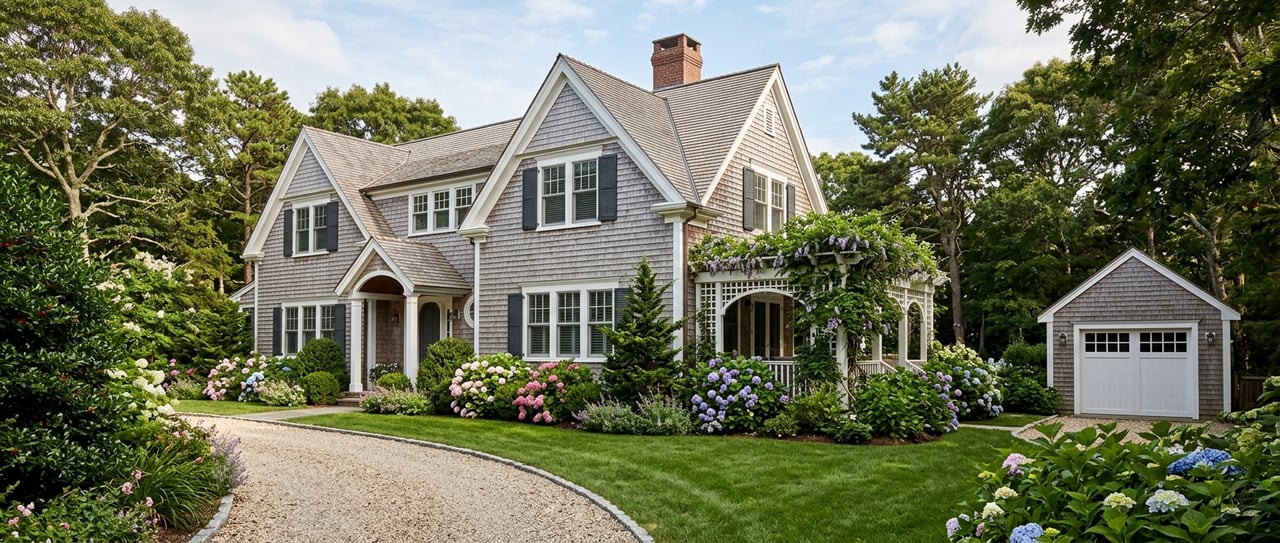
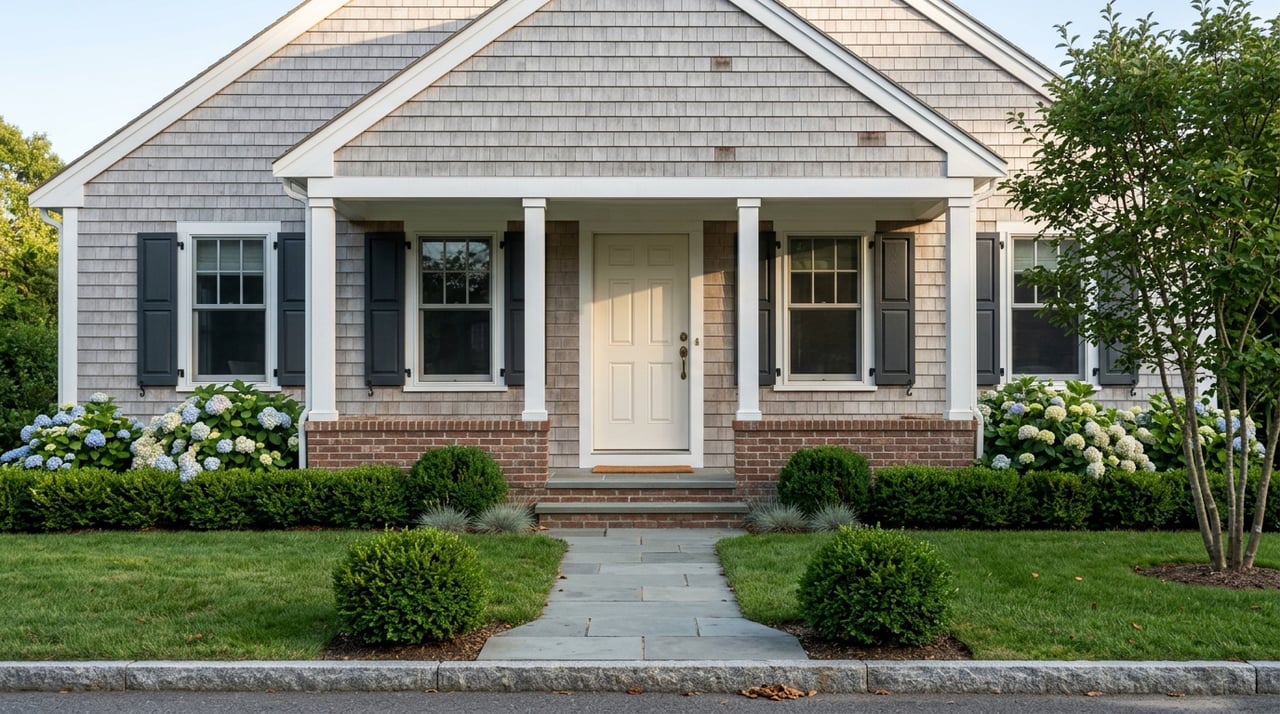
A home reads as premium when it looks organized from the street to the backyard. Clear parking expectations, tidy grounds, and a clean approach to trash storage all help support a smooth arrival and a more protected ownership experience.
Furnish for comfort and visibility
Once the legal framework is in place, the next step is creating a home that renters can instantly understand and want. Airbnb’s hosting guidance notes that guests often prioritize photos, description, reviews, amenities, and pricing when booking. It also identifies commonly searched amenities such as a pool, wifi, free parking, a kitchen, a hot tub, air conditioning, a washer, and self check-in.
For a Southampton seasonal rental, that list works as a practical filter. The goal is not to overfill the home with trendy extras. It is to make sure the amenities people actively search for are present, visible, and easy to trust.
Cover the essentials first
Airbnb’s essentials guidance offers a useful baseline for readiness. Guests expect a functional kitchen, enough dishes and utensils, Wi-Fi, smoke detection, a hair dryer, an iron and ironing board, laundry supplies, and core household basics. If those basics feel incomplete, the home will not present as polished, no matter how beautiful it looks.
For a premier seasonal rental, you can build on that baseline with simple comforts that make longer stays easier. Clean bedding, extra towels, clear storage for guests, and a fully equipped kitchen all help the house feel settled rather than improvised. That is especially important in Southampton, where many renters want a true seasonal rhythm, not a quick weekend setup.
Think like a guest on arrival day
Guest communication matters just as much as furniture and finishes. Airbnb advises hosts to prepare check-in instructions, contact information, Wi-Fi details, neighborhood guidance, and house rules, while also considering self check-in, extra sheets and towels, and professional cleaning support. These details reduce friction and help protect the property.
In practice, that means creating a polished arrival experience. A clear house manual, fast responses, and simple operating instructions for the home can make a meaningful difference in how the stay feels. The best rentals often succeed because they are easy to live in from the first hour.
Create an editorial listing package
In a place as visually driven as Southampton, your listing is part of the product. Airbnb states that high-quality images are one of the top factors guests consider when booking, and recommends showing the interior, exterior, and local context while using natural light, decluttering, and highlighting unique features. That guidance aligns closely with what already works in the Hamptons.
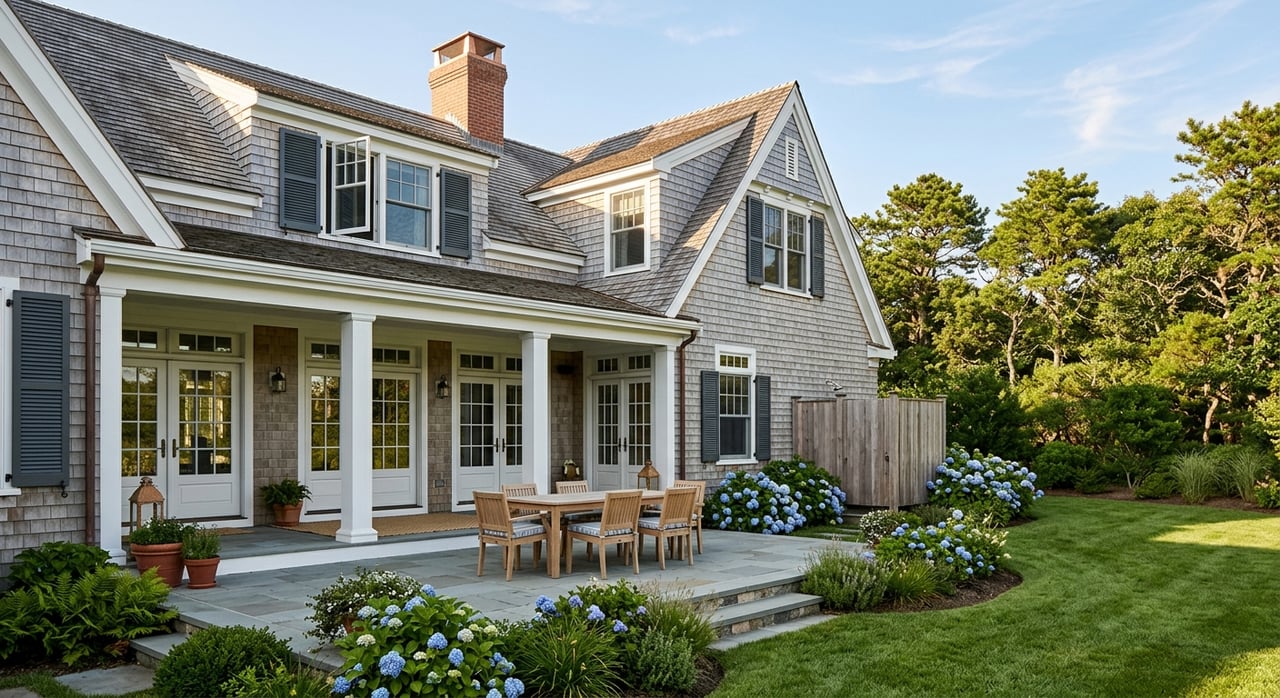
If your property has a strong outdoor dining area, a bright pool terrace, a fireplace, or a particularly clean kitchen layout, those features should not be buried. They should be photographed clearly and intentionally. The images need to feel bright, accurate, and calm, with enough detail for renters to understand exactly what is being offered.
Write specific, useful copy
The written description should be factual and easy to scan. Airbnb recommends explaining amenities, shared spaces, and what makes the home unique while keeping the listing accurate and easy to understand. In Southampton, that means focusing on concrete information.
Useful listing copy might highlight:
- Bedroom and bathroom count
- Parking layout and limits
- Pool condition and outdoor setup
- Kitchen functionality
- Laundry access
- Air conditioning and wifi
- Entertaining areas and seating
This is not the place for vague praise. Specific details help renters evaluate fit, and clearer expectations usually lead to a smoother booking process.
Plan the calendar around longer stays
Southampton’s 14-day minimum stay changes how you should think about the rental calendar. This is not a market where a legal strategy depends on quick weekly turnover. Instead, your calendar should be designed around longer booking blocks, thoughtful turnover windows, and pricing that reflects true seasonal demand.
Airbnb’s guidance notes that price is a major search factor and that competitive pricing against similar homes can improve performance. It also recommends keeping calendars updated, setting minimums and maximums, adjusting rates with demand, and allowing enough time between reservations.
For Southampton owners, this supports a more deliberate approach. Rather than chasing high-churn traffic, it often makes more sense to build a schedule that prioritizes longer occupancy periods, cleaner operational transitions, and shoulder-season flexibility.
Factor in taxes early
Taxes should be part of the conversation before rates go live. Suffolk County’s hotel and motel occupancy tax is currently 5.5% on short-term lodging of less than 30 days, and the county states that the law applies to residences and tourist homes, not only traditional hotels. The county also says lodging facilities must register within 10 days of the first qualifying rental and file quarterly returns.
New York State also taxes hotel and short-term rental occupancy as a combined state and local sales-tax charge when the rental rate is more than $2 per day. State guidance further notes that tax treatment can change when a guest becomes a permanent resident after 90 consecutive days outside New York City.
The practical takeaway is simple. Tax treatment can vary based on stay length and booking channel, so you should confirm the structure with a qualified tax professional before setting pricing, terms, or platform strategy.
What makes a Southampton rental feel premier
A premier seasonal rental in Southampton is not just attractive. It is legally prepared, operationally organized, and visually curated. The strongest homes in this category tend to share the same traits: they are permit-ready, carefully maintained, clearly photographed, well-equipped, and easy for guests to navigate.
That kind of preparation protects the asset while also improving the guest experience. It creates more confidence in the listing, reduces avoidable friction, and helps the property present at a higher level in a competitive East End market. When every layer works together, the house feels not only beautiful, but ready.
If you are thinking about how to position your Southampton property for the seasonal market, a thoughtful strategy can make all the difference. The team at CeeJack Team brings a design-forward, locally informed approach to presentation, marketing, and high-end rental positioning across the Hamptons.
FAQs
What is the minimum rental stay for a Southampton seasonal rental?
- The Town of Southampton FAQ states that the current minimum rental stay is 14 days, and daily or weekly transient occupancy is prohibited.
Do you need a permit to rent out a home in Southampton?
- Yes. Southampton requires a rental permit before the rental term begins, and the permit is valid for two years but does not transfer when ownership changes.
Can you advertise a Southampton rental before getting a permit?
- No. The Town says you cannot advertise, list, or show a home for rent without a rental permit in place.
What pool rules matter for a Southampton rental property?
- Southampton’s rental checklist requires features such as audible alarms on doors leading directly to the pool, a permanent enclosure at least four feet high, and self-closing, self-latching gates that swing away from the pool.
What amenities help a Southampton seasonal rental stand out?
- Based on Airbnb guidance, renters often prioritize features such as a pool, wifi, free parking, a kitchen, air conditioning, a washer, and self check-in, along with strong photos and clear listing details.
Does Suffolk County charge tax on Southampton short-term rentals?
- Yes. Suffolk County’s hotel and motel occupancy tax is currently 5.5% on qualifying stays of less than 30 days, and owners should also review applicable New York State tax treatment with a tax professional.