If you picture the Hamptons as one single lifestyle, Water Mill is a useful correction. Here, open farm fields, legacy estate roads, cultural landmarks, and bayfront edges all exist within one hamlet, creating a place that feels layered rather than uniform. If you are trying to understand what daily life in Water Mill actually looks like, this guide will help you see how the landscape, history, and shoreline shape the experience. Let’s dive in.
Water Mill feels varied by design
Water Mill sits within the Town of Southampton, bordered by Noyac to the north, Bridgehampton to the east, Mecox Bay and the Atlantic Ocean to the south, and Southampton Village and North Sea to the west. Town planning documents describe it as primarily agricultural and residential, with more designated agricultural land than any other hamlet in Southampton Town. That alone tells you something important: Water Mill is not defined by one center or one mood.
Instead, it reads as a patchwork of country roads, long-held farm parcels, shoreline pockets, and a modest commercial corridor along Montauk Highway and Deerfield Road. The town also characterizes it as auto-dependent, so your experience here is often shaped by where you live and how you move between destinations. In practice, that means Water Mill can feel quiet and rural in one stretch, then culturally active or coastal a few minutes away.
Farm-field living in Water Mill
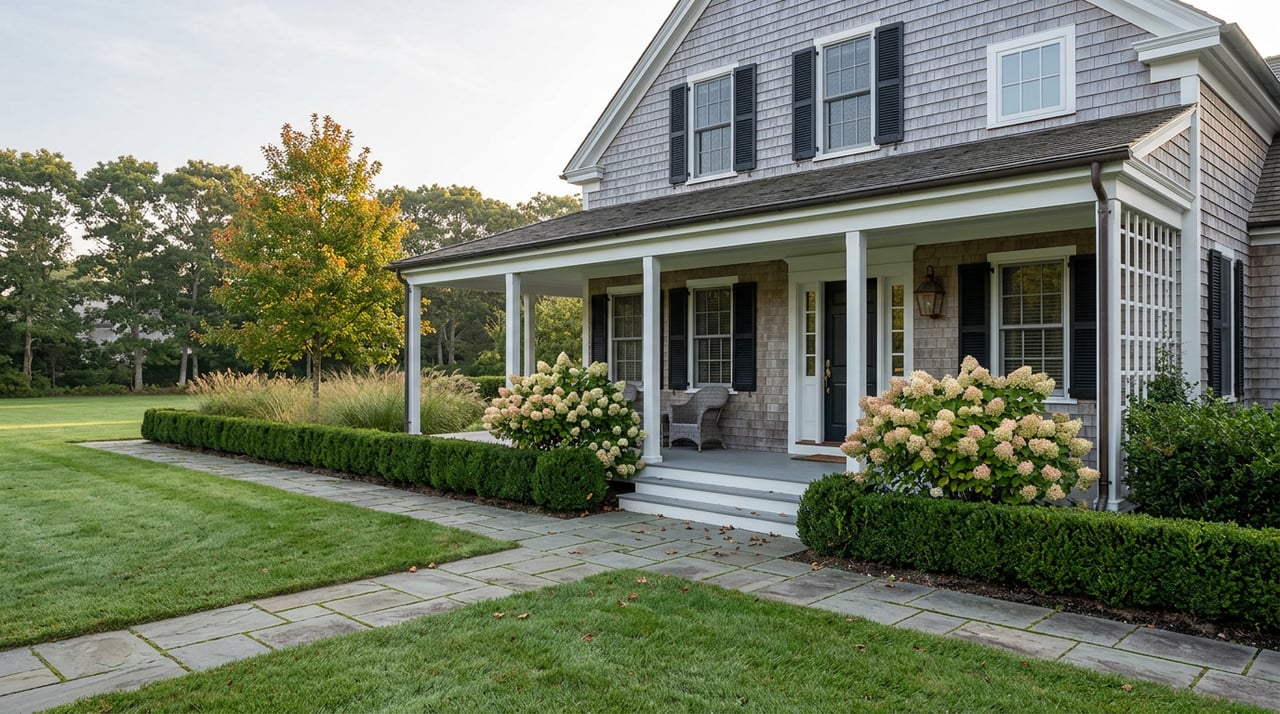
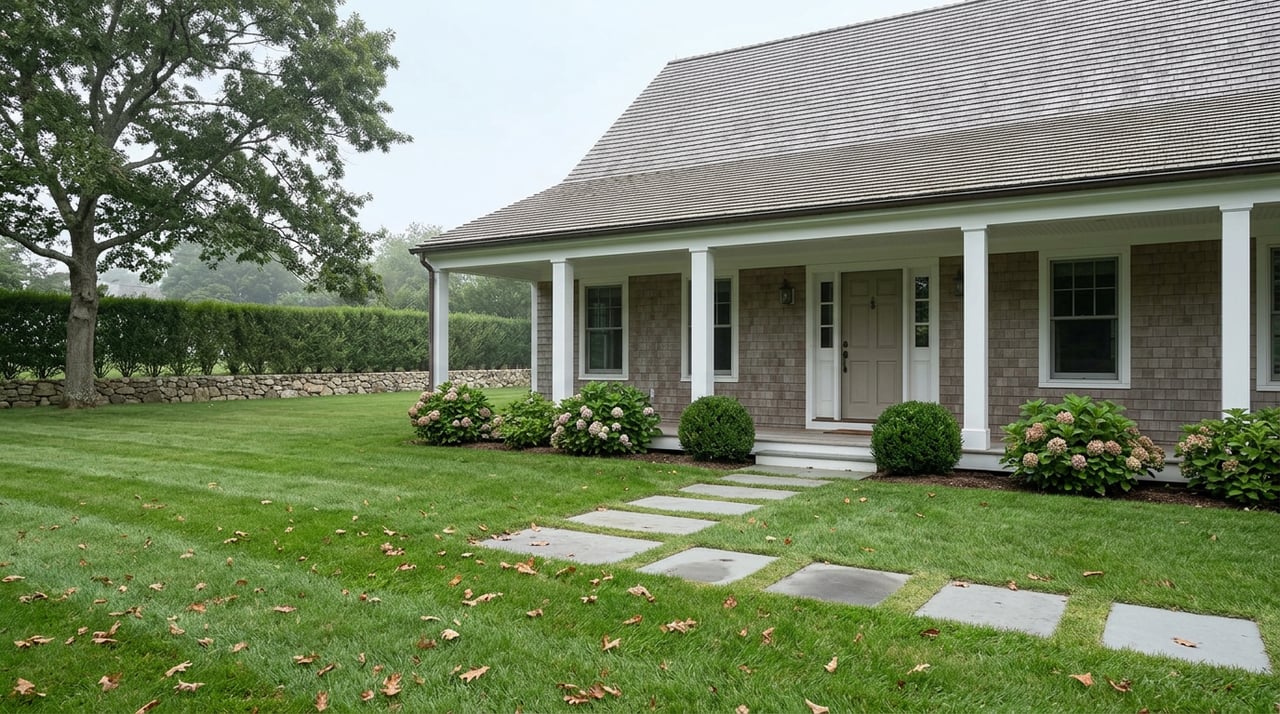
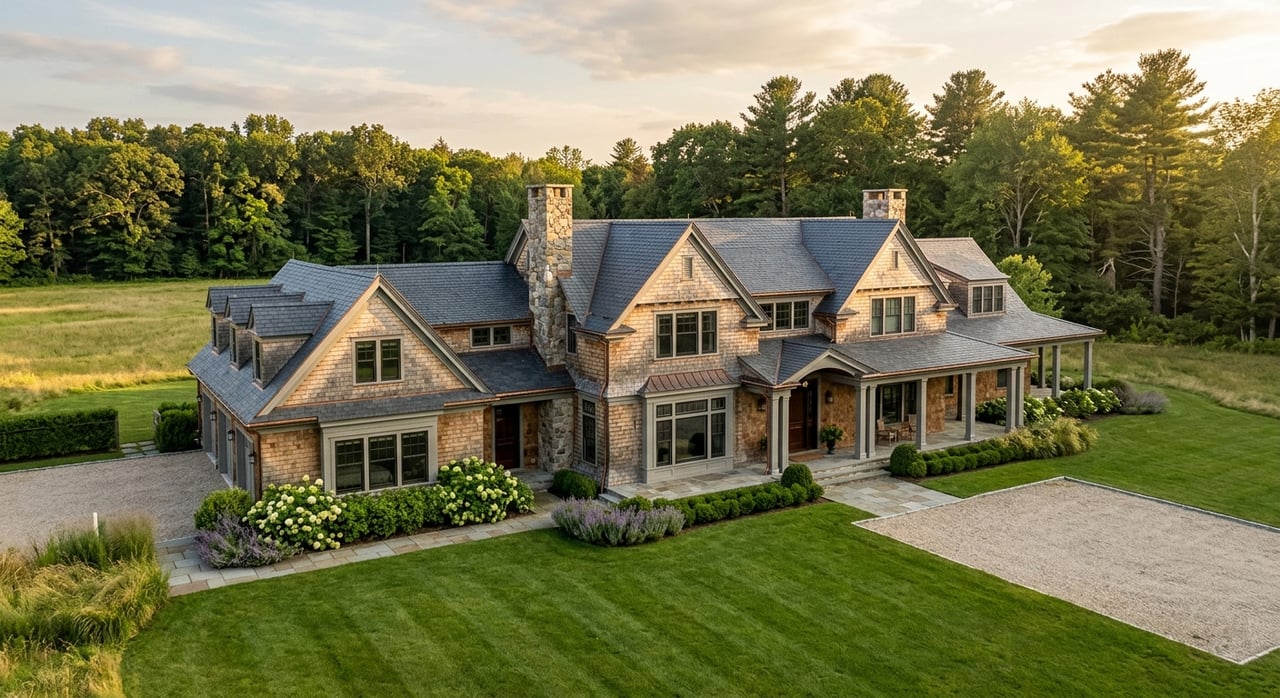
One of Water Mill’s clearest identities is its rural side. The town describes the hamlet as agricultural and residential, with large single-family homes on large lots set back from narrow countryside roads. If you are drawn to privacy, open views, and a more spacious setting, this is the version of Water Mill that often stands out first.
That landscape is not accidental or superficial. Town planning and preservation efforts tie Water Mill’s character to farmland preservation, open space acquisition, scenic-road protection, and hamlet-center conservation. In other words, the agricultural setting is part of the hamlet’s long-term identity, not just a backdrop.
On the southern edge near Mecox Bay, the pattern continues. The bay management plan notes that much of the bay margin includes residential development, active farmland, and protected open space. That mix gives parts of Water Mill a very specific rhythm: cultivated land, broad sky, and homes that feel intentionally removed from busier village environments.
Who this side of Water Mill suits
If you prefer acreage, separation, and a quieter road network, the farm-field side of Water Mill may feel especially compelling. This setting tends to emphasize privacy and landscape over walkability. For many buyers, that balance is exactly the point.
Estate character with deep roots
Water Mill’s estate feel is also rooted in history. The hamlet was assembled over time from older settlement names including Seven Ponds, Flying Point, Cobb, Scuttle Hole, Hay Ground, Water Mills, and Mecox. That history helps explain why the area feels less like one compact village and more like a collection of distinct pockets.
Its early growth was tied to mills, rail service, summer cottages near Mecox Bay and the Atlantic, and later shifts in farming. You still see traces of that layered development in the landscape. Some roads feel tied to older patterns of settlement, while others open onto larger parcels and more expansive residential settings.
For a buyer or seller, this matters because Water Mill’s value is often tied to nuance. Two homes can share the same hamlet name but offer very different experiences depending on their setting, road pattern, and proximity to fields, bay, or the commercial corridor. Understanding that distinction is central to reading the market well.
Arts and heritage shape the hamlet
Water Mill is not only rural. It also carries a strong cultural identity that gives the hamlet a more editorial, design-aware feel. The Parrish Art Museum is located on Montauk Highway, and The Watermill Center on Water Mill Towd Road offers exhibitions, tours, lectures, residencies, and public programs, with grounds open daily from dawn to dusk.
These institutions add another dimension to local life. They help make Water Mill feel connected to art, ideas, and contemporary cultural programming, even while much of the surrounding landscape remains agricultural or residential. For design-minded buyers, that contrast can be part of the appeal.
A historic center still anchors the story
The hamlet center has deep continuity with Water Mill’s earliest development. Town planning materials note that the business district grew directly from the mills, with a general store, post office, and other businesses nearby. The Water Mill Museum, the former water-powered grist mill, and the Corwith Windmill on the Village Green remain part of that historic fabric.
The town’s historic survey also identifies a potential historic district in the core, including residences, commercial buildings, estates, and agricultural structures. That supports a view of Water Mill as a place where preservation and present-day luxury expectations live side by side. You are not just seeing isolated landmarks. You are seeing an ongoing relationship between history, landscape, and contemporary life.
Bayfront living brings a different energy
On the southern side of the hamlet, Water Mill shifts again. Mecox Bay brings a more visibly coastal lifestyle, with a landscape shaped by shoreline, open views, and water-based recreation. According to Southampton Town’s Mecox Bay management plan, the bay is valued for both its natural beauty and biodiversity.
The same plan notes that people use the bay for sailing, kayaking, windsurfing, and paddle-boarding. It also references the reopening of the historic Mecox Yacht Club on the north shore of the bay. For buyers who imagine time spent on or near the water, this part of Water Mill offers a very different experience from the field-edge roads inland.
Bayfront and bay-adjacent living often appeals to people who want views, boating access, and a stronger sense of seasonal energy. At the same time, coastal property here comes with an awareness of stewardship. Town planning materials emphasize water quality, inlet management, and resilience to flooding and climate stress, so the waterfront lifestyle is paired with practical environmental considerations.
Ocean access is part of the picture
Water Mill’s water lifestyle is not limited to the bay. The Watermill Beach area includes Fowlers, Flying Point, and Scott Cameron/Mecox access points, giving residents and visitors several ways to think about the shoreline. Nearby Mecox Beach in Bridgehampton adds another layer of convenience, with parking, restrooms, showers, volleyball, lifeguard protection, and 111 parking spaces.
For you as a buyer, that means ocean access in this area can be understood in a few different ways. Some people prioritize proximity to beach access points. Others think more broadly about how bay settings, ocean beaches, and the daily coastal atmosphere fit together.
Coastal lifestyle with practical tradeoffs
Living near the bay or ocean can be deeply appealing, but it also tends to be more maintenance-aware. Southampton Town’s planning documents make clear that coastal systems here are environmentally sensitive. If you are considering this side of Water Mill, it helps to appreciate both the beauty and the responsibilities that can come with a shoreline setting.
How to think about Water Mill by lifestyle
If you are browsing Water Mill for the first time, it helps to organize the hamlet by the kind of life you want to lead. The location has enough variety that a simple framework can make your search more focused.
Choose the farm-field side if you want space
If acreage, privacy, and a field-edge setting matter most, start with Water Mill’s agricultural and estate areas. These parts of the hamlet often feel quieter and more removed, with larger lots and a stronger rural atmosphere.
Choose the cultural corridor if you want context
If you want arts, heritage, and a recognizable center, focus on the Montauk Highway corridor and the area around the historic mill and windmill. The presence of the Parrish Art Museum and The Watermill Center gives this part of Water Mill a distinctly cultural layer.
Choose the shoreline if you want water access
If your ideal Hamptons lifestyle includes bay views, boating, or easy beach days, the Mecox Bay side and nearby beach access points deserve attention. This is where Water Mill feels most tied to the water.
Why Water Mill stands apart
Compared with nearby hamlets, Water Mill is less of a compact village and more of a spread-out composition of farms, estates, cultural institutions, and shoreline. That is one of its defining strengths. You are not choosing one note here. You are choosing how close you want to live to each part of a broader landscape.
For some buyers, that means a home framed by fields and long drives. For others, it means staying near cultural destinations or orienting life around the bay and beach. For sellers, it means presentation matters, because the story of a Water Mill property is often inseparable from the specific version of the hamlet it represents.
In a place this layered, thoughtful guidance makes a difference. If you are considering a purchase, sale, or seasonal move in Water Mill, CeeJack Team can help you navigate the hamlet with a sharp eye for lifestyle, setting, and presentation.
FAQs
What is the overall lifestyle in Water Mill, NY?
- Water Mill offers a mix of agricultural land, residential estates, cultural destinations, and shoreline living, making it feel more varied and spread out than a compact village.
What is farm-field living like in Water Mill?
- Farm-field living in Water Mill is defined by large lots, countryside roads, open views, and a quieter setting shaped by the hamlet’s strong agricultural identity.
What makes Water Mill different from nearby Hamptons hamlets?
- A key distinction is that Water Mill is not centered around one dense village core. Instead, it combines farms, estate areas, art institutions, historic sites, and bayfront pockets across a wider landscape.
What arts and cultural landmarks are in Water Mill?
- Water Mill is home to the Parrish Art Museum and The Watermill Center, and its historic core includes the Water Mill Museum and the Corwith Windmill.
What is bayfront living like in Water Mill?
- Bayfront living in Water Mill centers on Mecox Bay, where residents may enjoy activities such as sailing, kayaking, windsurfing, and paddle-boarding, along with open shoreline views.
What beach access options are near Water Mill?
- The Watermill Beach area includes Fowlers, Flying Point, and Scott Cameron/Mecox access points, and nearby Mecox Beach offers amenities such as parking, showers, restrooms, volleyball, and lifeguard protection.
Is Water Mill walkable or car-dependent?
- Southampton Town planning documents characterize Water Mill as auto-dependent, with its main commercial corridor along Montauk Highway and Deerfield Road.
How should buyers approach choosing a home in Water Mill?
- It helps to start with your priorities, whether that is privacy and acreage, access to arts and heritage, or proximity to the bay and ocean, because different parts of Water Mill offer very different experiences.